Relays are essential components in electrical and electronic systems, functioning as switches that control the flow of electricity. From industrial machinery to automotive applications, relays play a critical role in ensuring proper circuit operation. One of the most important aspects to consider when using relays is their lifespan. The relay lifespan refers to the number of cycles or the amount of time a relay can reliably function before its performance starts to degrade. Understanding the factors that influence relay lifespan can help users select the right type of relay for their needs and maximize its durability.
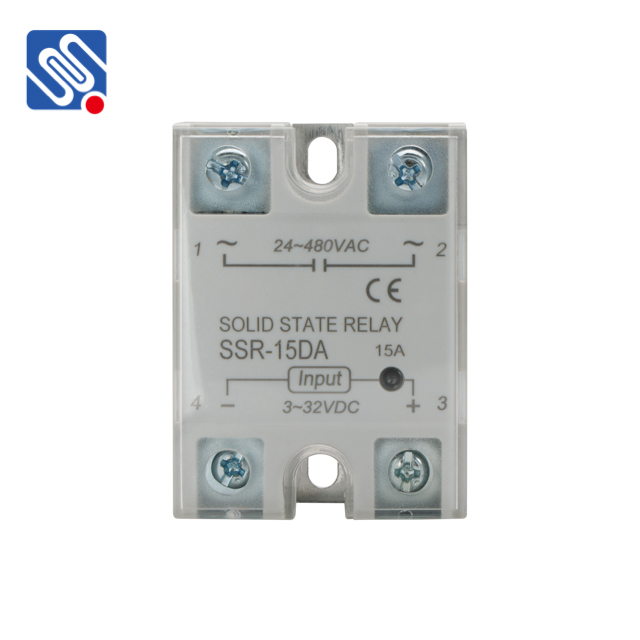
What Affects Relay Lifespan? A relay’s lifespan is influenced by a variety of factors, both mechanical and electrical. These include the type of load being switched, the frequency of operation, and the environmental conditions in which the relay operates. Let’s explore these factors in more detail: 1. Electrical Load and Voltage The electrical load that a relay controls significantly impacts its lifespan. Relays are designed to handle a certain amount of current and voltage. If a relay is subjected to loads that exceed its rated capacity, the contacts may burn out more quickly. High-voltage or high-current switching leads to the formation of electrical arcs when the contacts open or close, which can cause erosion or pitting of the contact surfaces. This damage to the relay’s internal components significantly shortens its lifespan.