Solid State Relays (SSRs) have become essential components in modern electrical and automation systems, providing an effective means of controlling high-power devices without the mechanical wear and tear associated with traditional electromechanical relays. Their unique operation principles, coupled with numerous advantages, make them increasingly popular across various industries. This article delves into what Solid State Relays are, how they operate, their advantages and disadvantages, applications, and considerations when selecting an SSR for specific tasks.
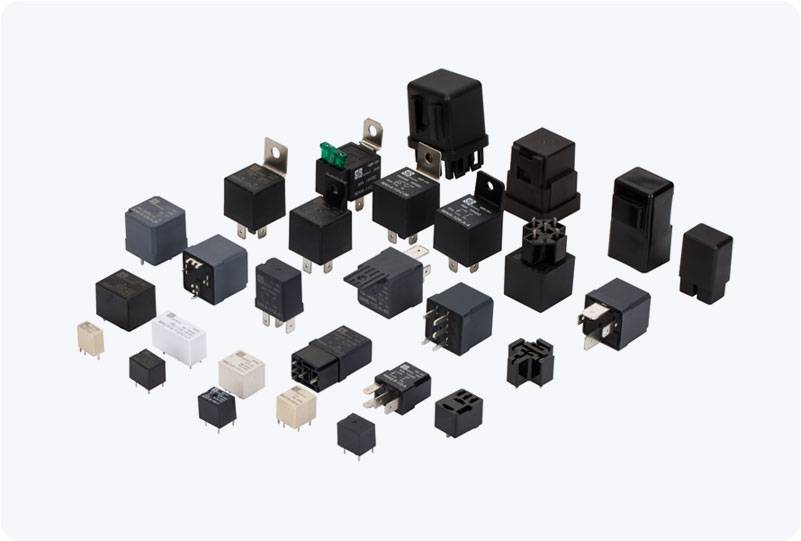
What is a Solid State Relay? A Solid State Relay is a type of switch that uses semiconductor devices to control the flow of electricity in a circuit. Unlike electromechanical relays that use an electromagnetic coil to operate mechanical contacts, SSRs utilize electronic components such as transistors, diodes, or thyristors to perform the switching action. The typical SSR consists of an input (control side) and an output (load side) section, often isolated from each other to prevent any interference. How Does It Work? The operation of a Solid State Relay involves a simple process. When a small input control voltage is applied, it activates an opto-isolator, allowing a signal to flow through the Input section. This signal turns on the solid-state switching device in the Output section, allowing current to flow to the load. When the input control voltage is removed, the SSR stops conducting, thereby switching off the load. The isolation provided by the opto-isolator ensures that the high-voltage circuits remain separated from the control signals, enhancing safety.