High Voltage DC (HVDC) transmission systems have become integral to modern power distribution, offering an efficient and reliable method for long-distance transmission of electricity. At the core of these systems is the High Voltage DC Main Relay, a critical component that plays a crucial role in managing electrical flow, ensuring safety, and protecting equipment. This article delves into the importance of HVDC main relays, their applications, and how they contribute to the stability of high-voltage direct current systems.
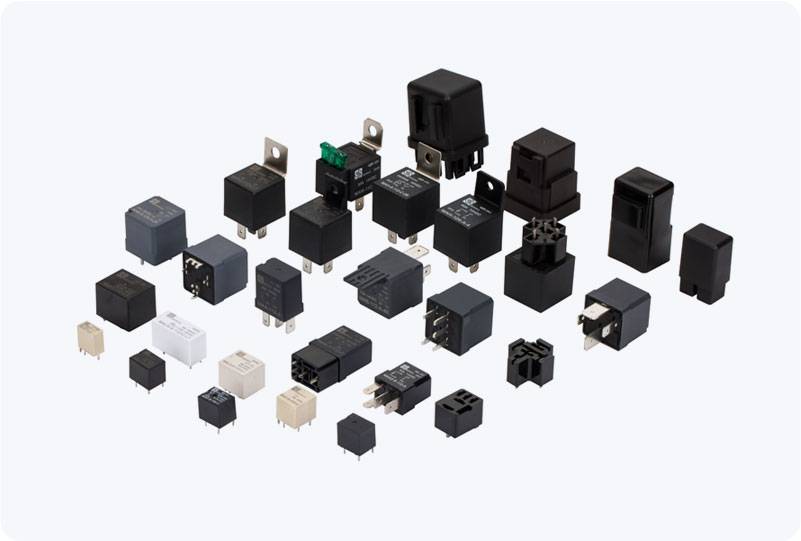
Introduction to High Voltage DC Main Relay A High Voltage DC Main Relay is a specialized device used in high-voltage direct current circuits, particularly in HVDC transmission systems and electric vehicle (EV) battery systems. These relays are designed to handle high voltage and large current flows, providing an efficient method for controlling the operation of electrical circuits. Their primary function is to switch the circuit on or off, depending on the operational conditions, while also offering protection against electrical faults, such as short circuits or overloading. The importance of HVDC main relays has grown with the increasing adoption of HVDC transmission systems, which allow the efficient transfer of electricity over long distances. Unlike traditional alternating current (AC) transmission, HVDC systems provide lower transmission losses, making them ideal for long-distance power transfer and integration of renewable energy sources. The relay’s ability to control the flow of electricity ensures the system’s efficiency and reliability, making it an indispensable part of modern power infrastructure.