A PP solenoid valve, crafted from polypropylene (PP), is a crucial component in various industries where precise control over fluid or gas flow is necessary. Polypropylene, known for its durability and resistance to corrosion, makes it an ideal material for solenoid valves that are subjected to harsh environments, particularly when dealing with chemical liquids or gases. In this article, we will explore the key features, applications, and benefits of PP solenoid valves, highlighting their importance in modern industrial operations.
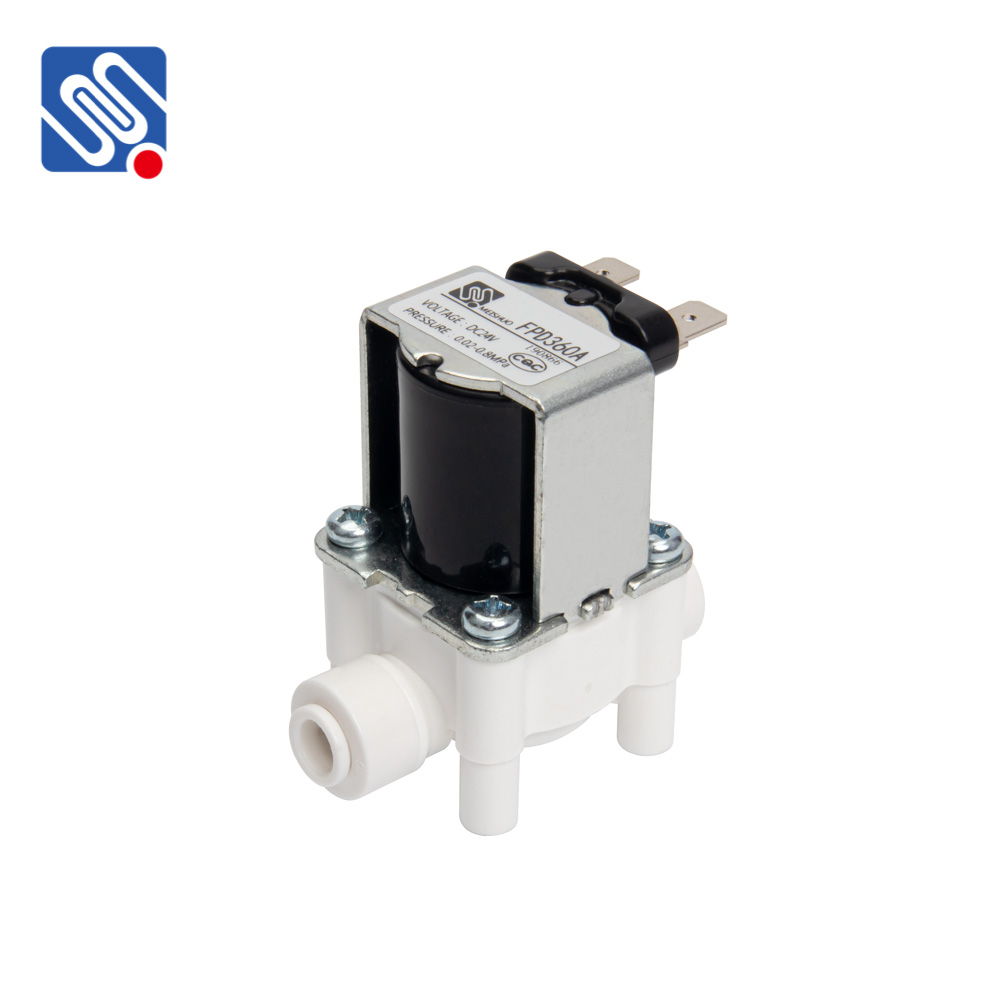
What is a PP Solenoid Valve? A solenoid valve is an electromechanical device used to control the flow of liquid or gas through a system. The valve consists of a solenoid, a coil of wire that generates a magnetic field when energized, and a valve body that regulates the flow of fluid or gas. In a PP solenoid valve, the valve body is made from polypropylene, a thermoplastic polymer known for its resistance to chemical corrosion, high temperatures, and physical wear. Key Features of PP Solenoid Valves Corrosion Resistance: The primary benefit of using polypropylene in solenoid valves is its excellent resistance to a wide range of chemicals, including acids, alkalis, and salts. This makes PP solenoid valves ideal for industries that handle aggressive or corrosive fluids, such as chemical processing, wastewater treatment, and food and beverage manufacturing.