The automotive industry is undergoing a significant transformation as electric vehicles (EVs) gain popularity and become an integral part of sustainable transportation. With this shift comes the need for advanced electrical systems that can manage higher power demands efficiently. One critical component that has emerged in this landscape is the 48V automotive relay. This article explores the importance, functionality, and applications of 48V automotive relays in electric vehicles.
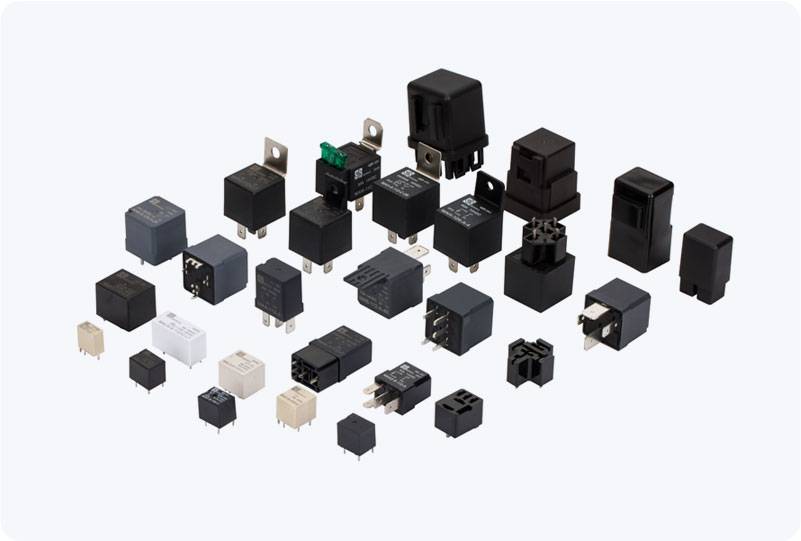
The Shift to 48V Systems Traditionally, vehicles have relied on 12V electrical systems for their operations. However, the increasing demand for high-efficiency and high-power applications, such as electric power steering, brake energy recuperation, and advanced driver-assistance systems (ADAS), has placed significant strain on these conventional 12V systems. In response, manufacturers and engineers have begun adopting 48V electrical systems to address these challenges. The 48V architecture provides many advantages, including improved power output, better energy efficiency, and the ability to support a wider range of electrified components. This higher voltage platform allows for reduced current levels, which can lead to lighter wiring, improved thermal management, and overall better performance of the vehicle’s electrical system.