In the complex world of automotive electrical systems, two components stand out for their critical roles in ensuring the functionality and safety of vehicles: relays and fuses. While both are essential for the reliable operation of a car’s electrical components, they serve distinctly different purposes and operate based on different principles. This article aims to provide a detailed comparison of relays and fuses in cars, exploring their functions, differences, and significance in the overall electrical system.
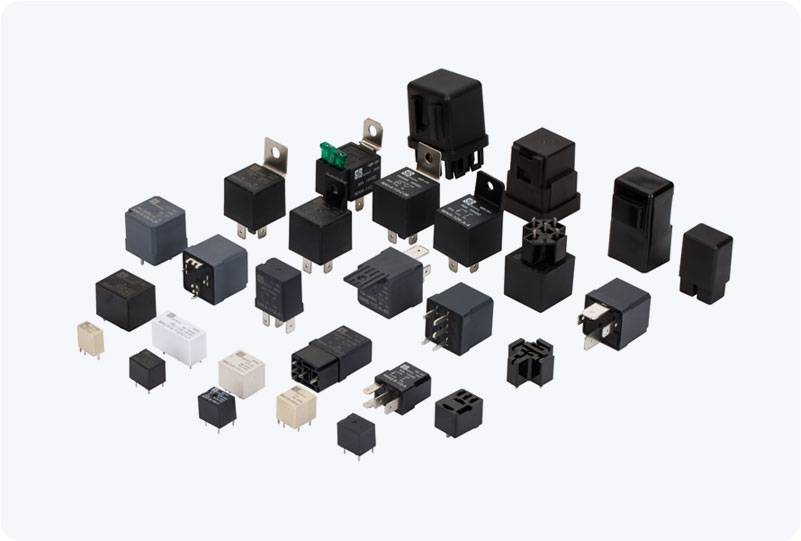
Understanding Relays A relay is an electromechanical switch that allows a low-power signal to control a higher power circuit. It consists of an electromagnetic coil and a set of contacts. When the coil receives an electric current, it generates a magnetic field that moves an armature, closing the contacts and completing the circuit. This mechanism enables a small current from a control circuit to control a larger current powering high-demand components like headlights, fuel pumps, or starter motors. Functions of Relays in Cars High-Power Control: Relays are crucial for managing high-current devices that require more power than what the car’s typical control switches can handle. For example, when you turn on your headlights, the switch sends a small signal to the relay, which then can turn on the high-current flow necessary to power the headlights.