In any industrial setting, safety is of paramount importance. Worker injuries caused by accidental machinery activation during maintenance or repair can have devastating consequences. This underscores the need for effective safety protocols like Lock Out/Tag Out (LOTO) procedures. Central to this process are Lock Out Tags, which serve a vital role in ensuring the safety of workers when dealing with hazardous machinery and equipment. This article will explore the significance, proper use, and best practices of Lock Out Tags in maintaining workplace safety.
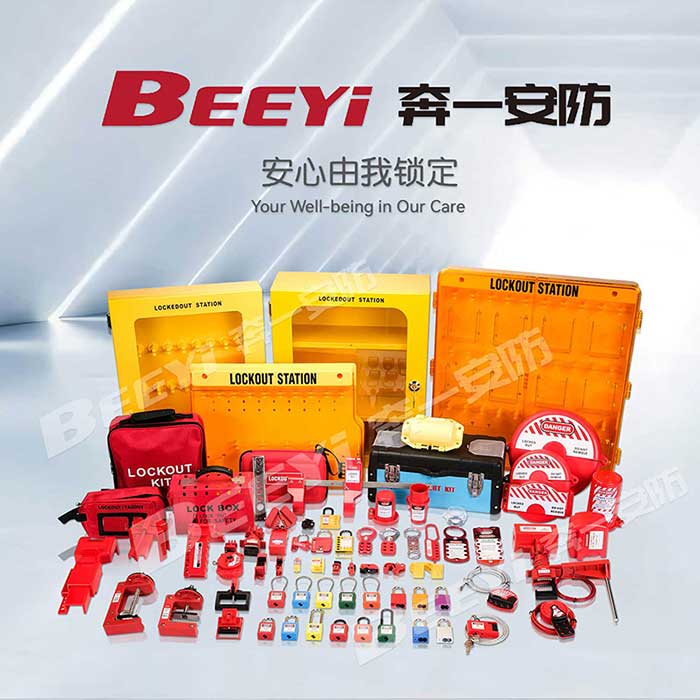
At its core, the Lock Out/Tag Out procedure is designed to prevent the unintended energization of machinery. When maintenance workers need to service equipment, they must ensure that it cannot be accidentally turned on. Locking out the equipment often involves using locks on power sources, while tagging out involves placing a warning tag on the equipment, alerting others to the fact that maintenance is in progress. The Purpose of Lock Out Tags Lock Out Tags serve multiple purposes. Firstly, they act as a visual reminder indicating that machinery is undergoing maintenance and must not be operated. This is crucial in environments where multiple workers may be interacting with the same equipment. A simple tag can convey clear information about the status of a machine and help prevent unauthorized operation. Secondly, Lock Out Tags outline specific details about the work being performed, including the name of the person conducting the maintenance, the date, and the nature of the maintenance work. This level of transparency ensures that everyone in the vicinity is informed and aware, mitigating the risk of accidents.