In industrial and manufacturing environments, safety is of paramount importance, particularly when it comes to the maintenance and repair of equipment. One of the most critical safety practices that help prevent accidents during maintenance is the use of equipment lockout tags. These tags, along with lockout devices, are essential components of the Lockout/Tagout (LOTO) safety procedures. They serve as visual reminders to workers that certain equipment is under maintenance and should not be operated until it is safe to do so. This article explores the significance of equipment lockout tags, their role in workplace safety, and how they contribute to reducing accidents and improving overall safety standards in industrial settings.
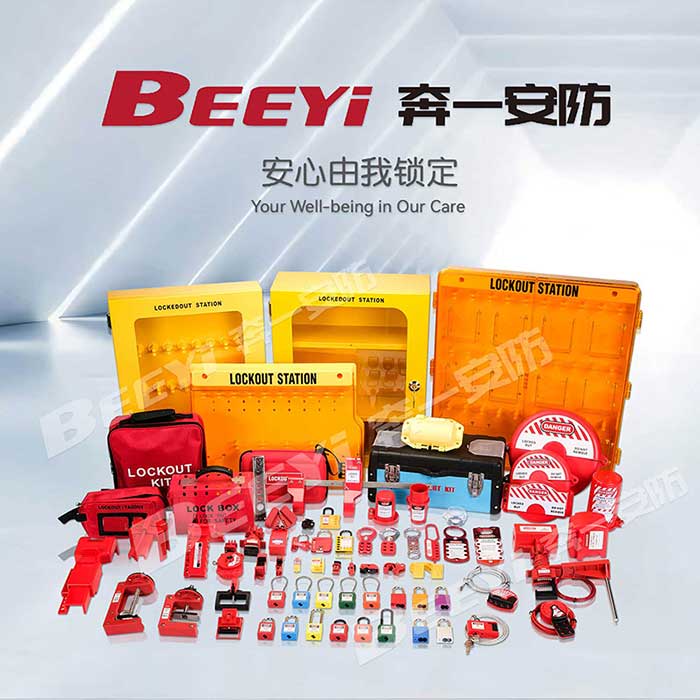
What are Equipment Lockout Tags? Equipment lockout tags are small, durable labels that are attached to machinery or equipment during maintenance or repair work. These tags typically feature clear warnings, such as “Do Not Operate,” “Under Maintenance,” or “Danger – Equipment Locked Out.” They are used in conjunction with lockout devices to indicate that equipment is secured and cannot be operated until it is safely unlocked and the maintenance process is completed. The purpose of lockout tags is to provide a clear, visible warning to workers that the equipment is being serviced and that unauthorized personnel should not attempt to use it. The tags are often part of a broader Lockout/Tagout program, which is designed to prevent accidental injuries caused by the unintended release of hazardous energy, such as electricity, pressurized air, or chemicals, during maintenance work.