In the intricate world of automotive electronics, various components work together to ensure vehicles operate smoothly and efficiently. One such key component is the high current car relay, a device designed to handle significant electrical loads while providing a safe and reliable means of controlling high-powered automotive devices. This article delves into the fundamental aspects of high current car relays, their working principles, applications, and the considerations necessary for effective utilization.
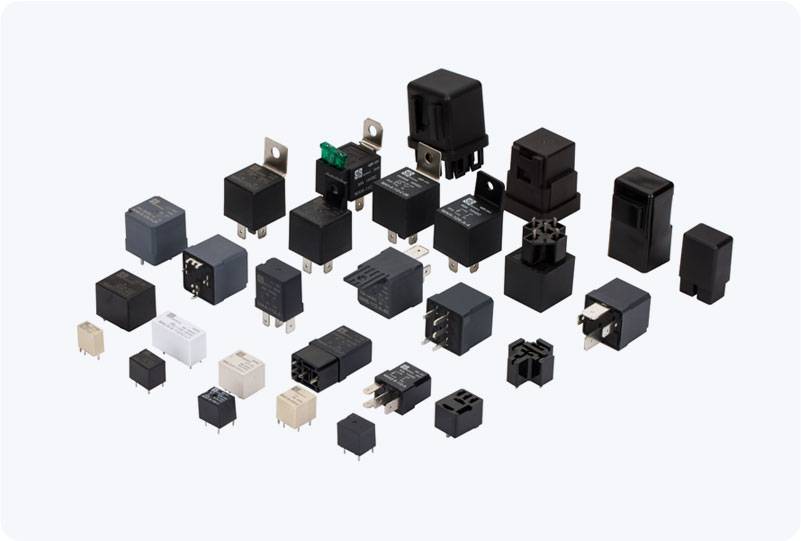
What is a High Current Car Relay? A high current car relay is an electromechanical switch that uses a low power signal to control a high-power circuit. It is primarily utilized in vehicles to manage systems that require substantial electrical current, such as headlights, electric fans, electric windows, and other accessories. By employing a relay, a vehicle’s electrical system can operate these high-demand devices without the need for complex wiring systems directly from the battery to the switch, allowing for both increased safety and efficiency. Working Principle The basic operation of a high current relay involves two main components: an electromagnetic coil and a set of switching contacts. When a small control voltage is applied to the coil (typically 12V in automotive systems), it generates a magnetic field that attracts a movable armature, closing the contacts. This action completes the circuit for the high current load, enabling current to flow to the device connected. When the control voltage is removed, the coil de-energizes, leading to the armature’s return to its original position, thus opening the contacts and cutting off the current to the load.