The IEC 61811 Relay standard, established by the International Electrotechnical Commission (IEC), plays a critical role in defining the requirements for relays used in industrial and commercial automation systems. Relays are essential components in control systems, allowing the transfer of electrical signals and performing switching operations. IEC 61811 sets the global benchmark for the design, performance, testing, and environmental adaptability of relays. This article provides an in-depth look at the standard and its importance for manufacturers and end-users alike.
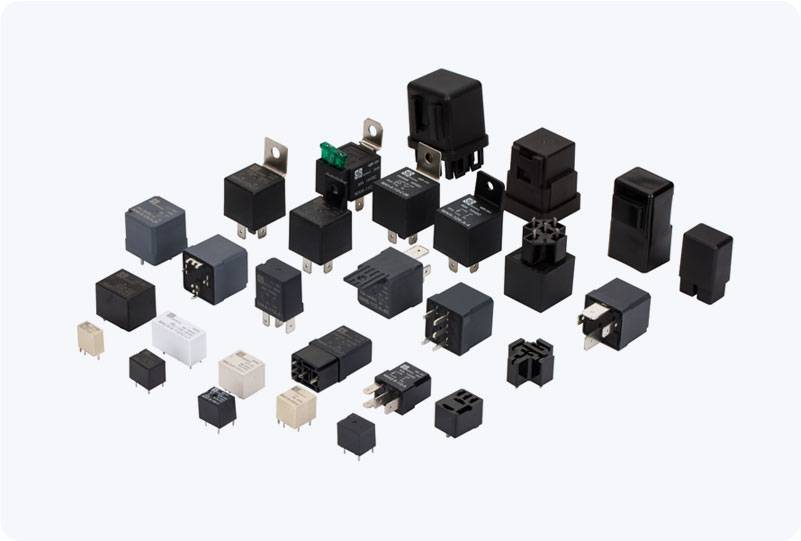
What is the IEC 61811 Relay Standard? IEC 61811 pertains to both electromagnetic and solid-state relays. The standard ensures that relays perform reliably in various operational conditions and meet the required safety, durability, and performance criteria. These relays are crucial for applications in industries such as power systems, automotive, and automation, where electrical control and protection are paramount. The standard itself outlines several aspects, including technical specifications, testing methods, and environmental conditions under which the relay should function effectively. IEC 61811 is part of a series of IEC standards focused on relay technologies, helping to harmonize global relay design practices.