In recent years, the adoption of plastic valves for water systems has gained considerable momentum across various industries. This trend is driven by a growing awareness of the advantages offered by plastic materials, which are not only cost-effective but also highly versatile, durable, and resistant to corrosion. As we delve into the various types, materials, benefits, and applications of plastic valves, it becomes clear that they play a crucial role in modern water management systems.
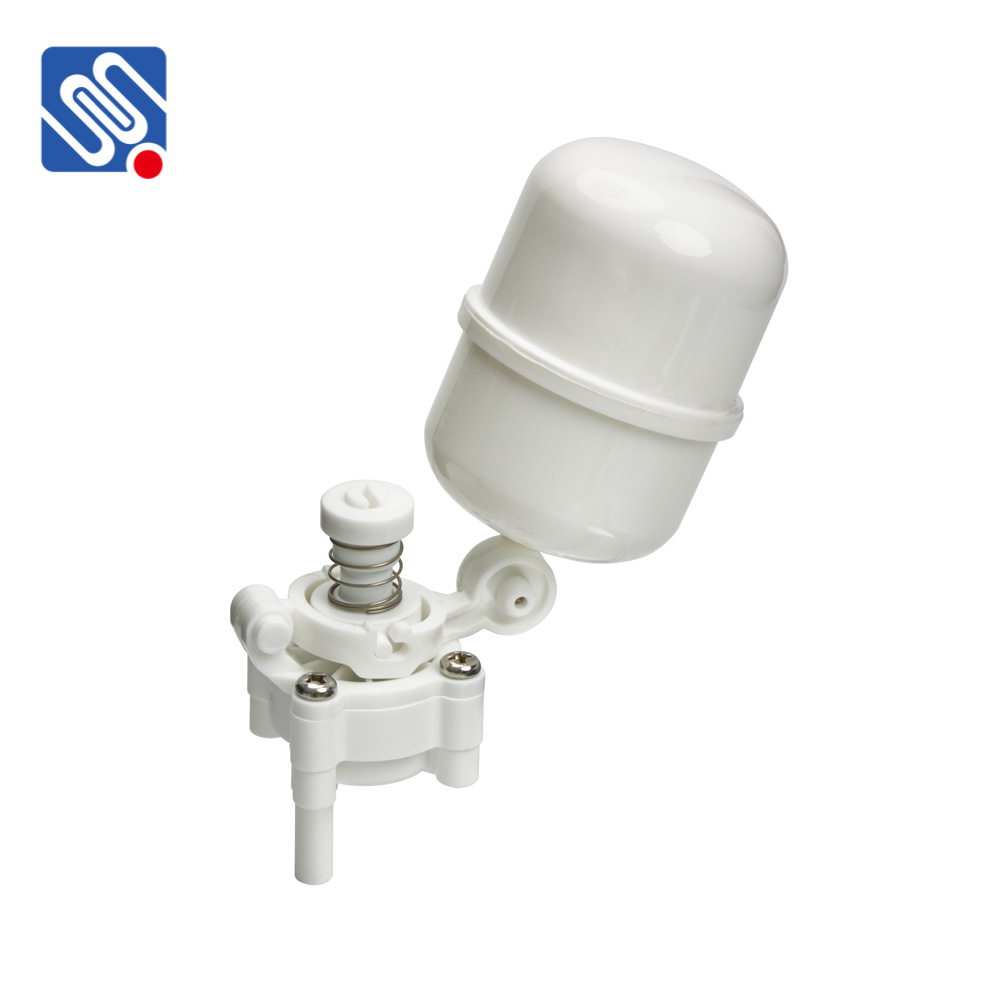
Types of Plastic Valves Plastic valves are available in several types, each designed for specific applications. The most common types include: Ball Valves: Featuring a spherical disc that controls the flow of water, ball valves are known for their reliability and quick shut-off capabilities. They are ideal for on-off control and can handle high-pressure systems. Gate Valves: These valves operate by lifting a gate out of the path of the fluid. Ideal for applications that require full flow, gate valves are often used to isolate sections of water systems. Globe Valves: Designed for regulating flow, globe valves have a spherical body that allows for precise control. They are suitable for applications where flow adjustments are necessary.