Filtration systems are vital components in numerous industrial processes, ensuring the removal of contaminants and improving the quality of fluids used in various applications. One critical component of these systems is the Filtration System Solenoid Valve. This valve plays a significant role in controlling the flow of liquids or gases through the filtration system. It allows for automatic regulation of fluid flow, contributing to improved system efficiency and reduced manual intervention.
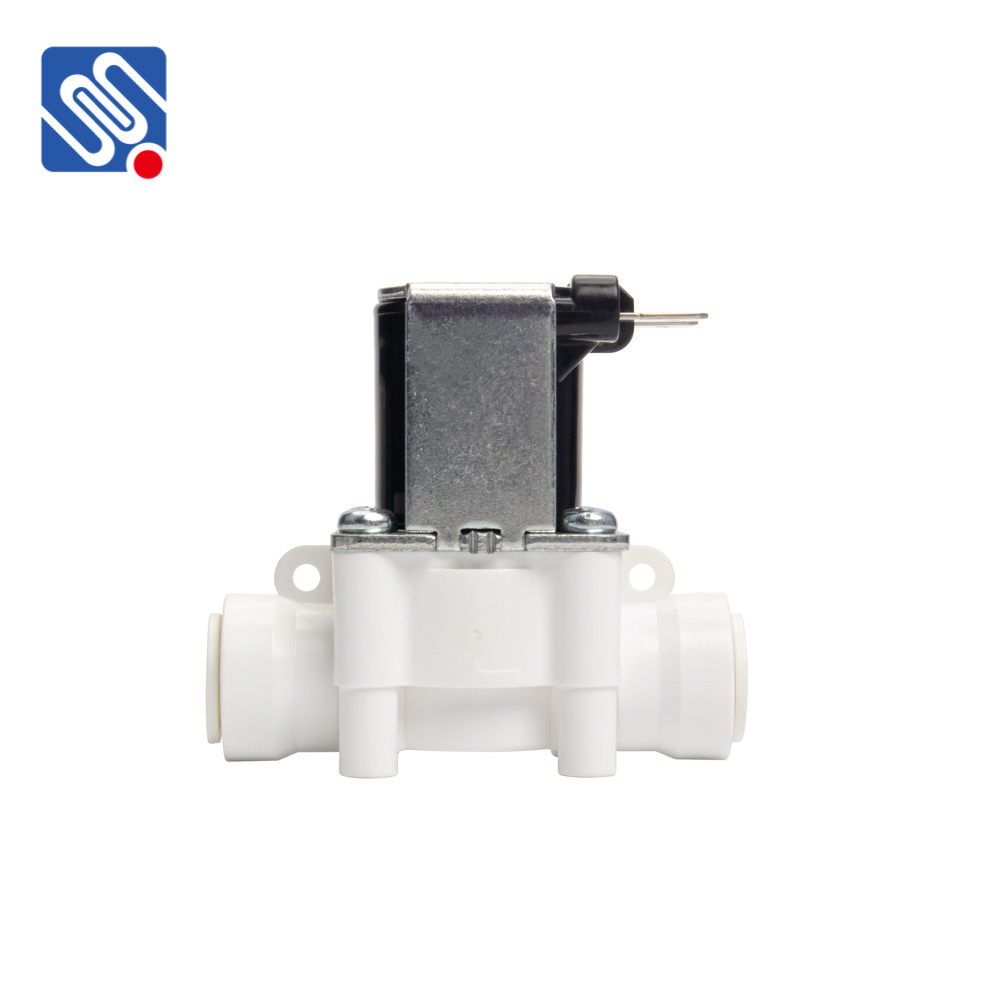
What is a Filtration System Solenoid Valve? A Filtration System Solenoid Valve is an electrically operated valve used to control the flow of fluids or gases through a filtration system. The valve operates based on electromagnetic principles, where an electric current is passed through a coil, creating a magnetic field that moves a plunger or diaphragm to open or close the valve. This enables precise control of fluid flow, ensuring that the filtration process occurs effectively. The solenoid valve’s ability to automate flow regulation makes it an essential tool in modern industrial systems. It is used to manage the flow of liquids in various industries, including water treatment, chemical processing, HVAC systems, and automotive applications.