In industrial and manufacturing settings, the efficient operation of machinery is critical not only for productivity but also for the safety of workers. One of the most vital safety practices is the implementation of Lock Out Equipment procedures. Lock out equipment refers to the devices and protocols used to prevent machinery from being accidentally started or energized while workers are performing maintenance or repair tasks. This safety measure, commonly referred to as Lockout/Tagout (LOTO), is essential for protecting workers from potentially life-threatening accidents.
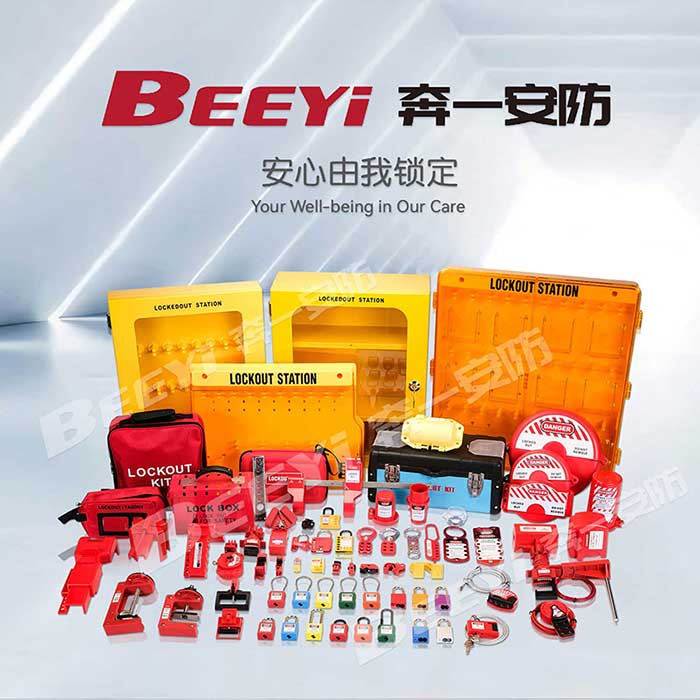
The Importance of Lock Out Equipment Lock out equipment is designed to eliminate the risk of unintended machinery operation during maintenance. According to the Occupational Safety and Health Administration (OSHA), appropriate lockout procedures can significantly reduce workplace injuries. These protocols protect employees from hazards such as electric shocks, cut injuries, and crushing incidents that can occur when machinery is serviced without proper precautions. Data shows that lockout/tagout procedures can reduce workplace accidents by as much as 30%. Components of Lock Out Equipment