In industrial settings, safety is paramount, especially when it comes to maintaining the integrity of machinery and equipment during maintenance or repair work. One essential tool that significantly contributes to workplace safety is the Valve Lockout Device. This device is designed to prevent the accidental operation of valves while maintenance or repair work is being carried out, ensuring the safety of workers and reducing the risk of accidents. In this article, we will explore the importance of valve lockout devices, their functionality, types, and the role they play in industrial safety protocols.
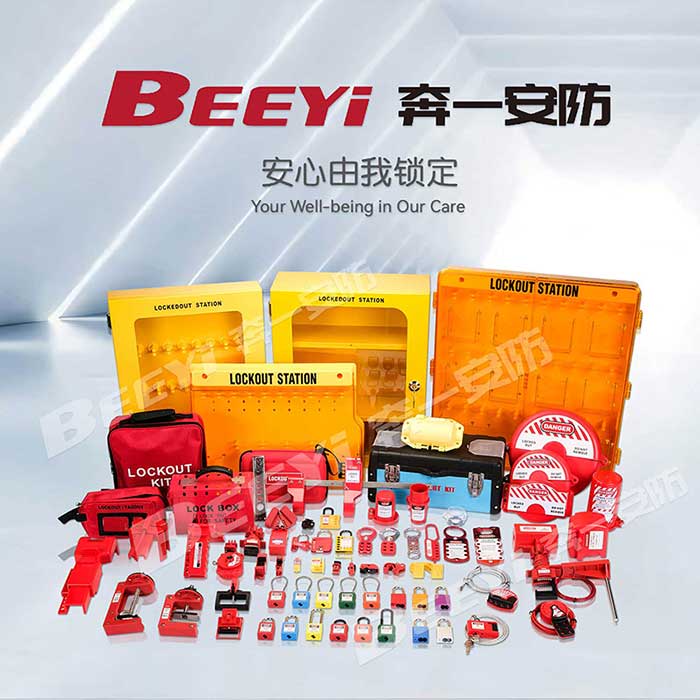
What is a Valve Lockout Device? A valve lockout device is a safety mechanism used to prevent the accidental or unauthorized operation of a valve during maintenance or repair procedures. This device physically locks the valve in a closed or open position, ensuring that the valve cannot be moved until the lockout device is removed. By locking the valve, it ensures that workers are not exposed to hazardous chemicals, pressurized systems, or moving parts that could cause injury. The Importance of Valve Lockout Devices Worker Protection: Valve lockout devices are crucial in ensuring the safety of maintenance personnel. Without proper lockout procedures, workers may be exposed to hazardous materials, high-pressure systems, or dangerous machinery while performing maintenance. Lockout devices prevent the inadvertent operation of valves, eliminating such risks.