In the realm of electrical engineering and automation, the AC Motor Relay plays a pivotal role in the efficient operation of various machinery. These relays are essential for controlling and managing the operation of alternating current (AC) motors, which are widely used in commercial and industrial settings. This article aims to explore the workings, types, advantages, and applications of AC Motor Relays, providing a comprehensive understanding of their importance in motor control systems.
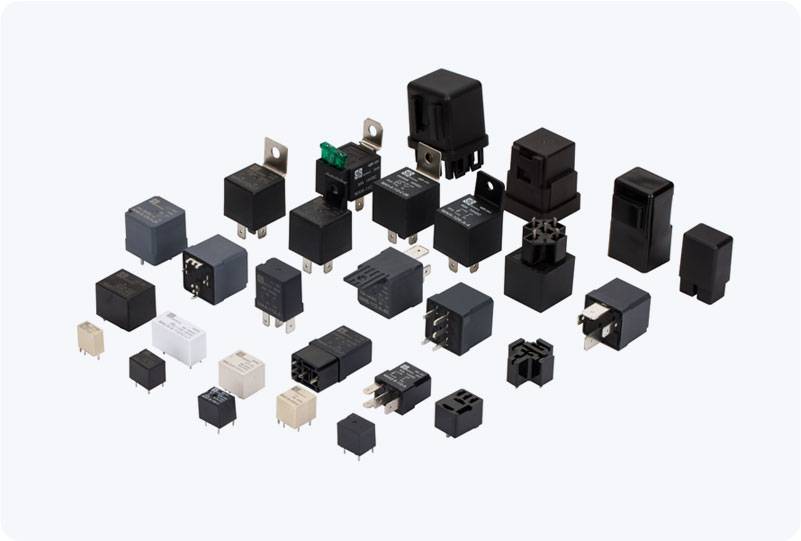
What is an AC Motor Relay? An AC Motor Relay is an electrical device that can switch the power supply to AC motors on and off. It functions as an intermediary control mechanism that enables you to manage power without directly handling high voltage circuits. When an electric current passes through the relay’s coil, it generates an electromagnetic field that activates a set of internal contacts. These contacts can either close or open, thus completing or interrupting the electrical circuit connected to the motor. Components of an AC Motor Relay Electromagnetic Coil: When energized, this coil creates a magnetic field that attracts the armature, enabling the opening or closing of the contacts.