Automatic relays are essential components in the realm of electrical engineering and automation. These devices serve as the backbone for numerous applications in both industrial and domestic environments, providing not only operational efficiency but also safety and reliability. In this article, we delve into the workings, types, applications, and advantages of automatic relays, highlighting their significance in modern systems.
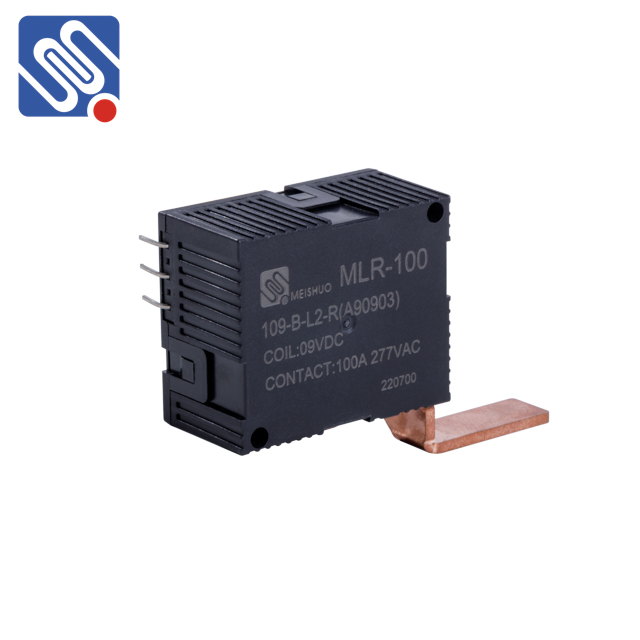
Understanding Automatic Relays At its core, an automatic relay is an electromechanical switch that operates based on predetermined electrical signals. These signals can come from variations in voltage, current, or even temperature. When the conditions set by these parameters are met, the relay either opens or closes a circuit, allowing or interrupting the flow of electricity. This functionality makes automatic relays incredibly versatile; they can respond to a wide range of inputs, making them suitable for various applications. Types of Automatic Relays Automatic relays can be categorized based on their operating principles and specific applications: