In the world of fluid control systems, solenoid valves play a crucial role in managing the flow of liquids and gases. Among the various types available, stainless steel and plastic solenoid valves are two of the most commonly used owing to their unique properties and applications. This article aims to provide a detailed understanding of both types of solenoid valves, highlighting their features, advantages, disadvantages, and applications.
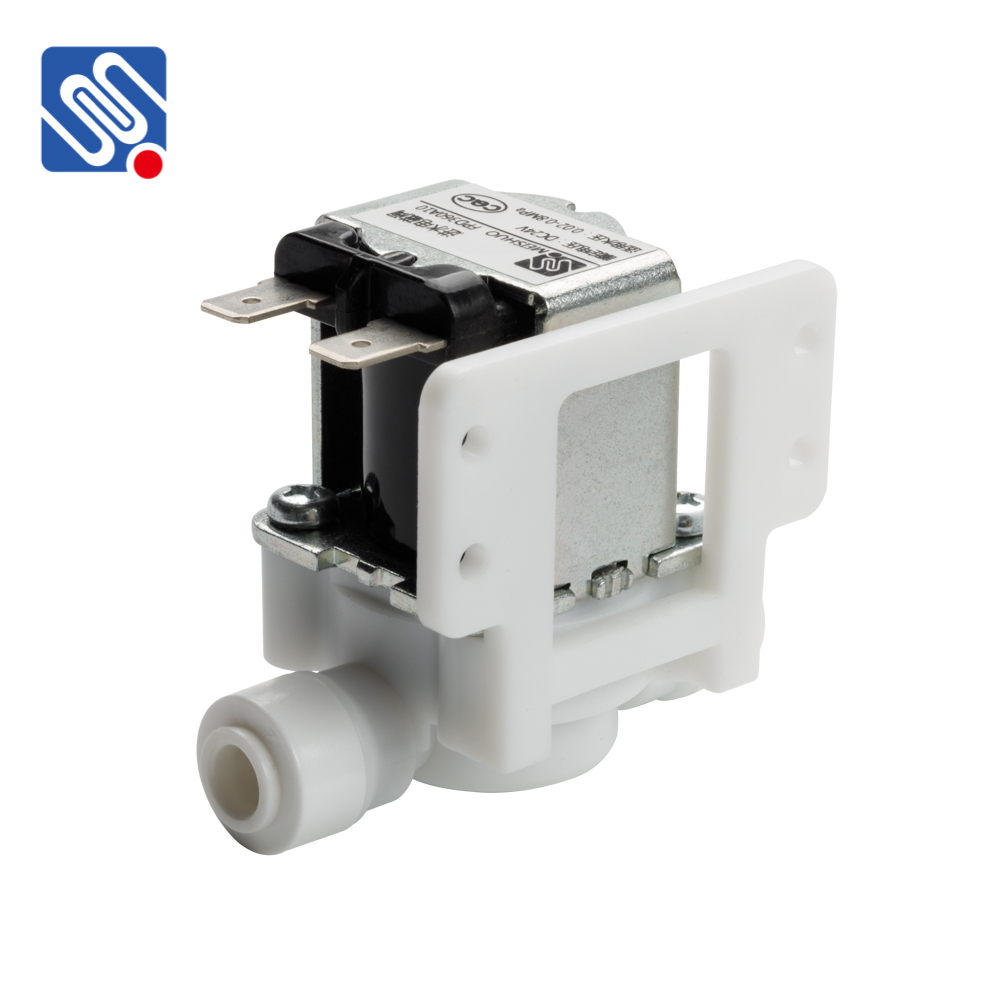
What is a Solenoid Valve? A solenoid valve is an electromechanical device that controls the flow of fluids in a system. It consists of a coil, plunger, and valve body. When an electric current passes through the coil, it generates a magnetic field that moves the plunger, opening or closing the valve. Solenoid valves are highly effective for automatic and remote control applications, making them invaluable in a range of industries. Stainless Steel Solenoid Valves Characteristics Stainless steel solenoid valves are known for their robust construction and exceptional resistance to corrosion. Typically made from a type of stainless steel, such as 304 or 316, these valves can withstand harsh environments and high temperatures. Their high mechanical strength allows them to operate effectively under elevated pressure conditions.