In the ever-evolving landscape of technology and automation, the smart relay has emerged as a pivotal component that bridges the gap between traditional electrical systems and modern smart home solutions. Smart relays not only control electrical loads but also provide enhanced features that improve convenience, energy efficiency, and overall functionality. In this article, we will explore what smart relays are, their key features, and their applications in various environments.
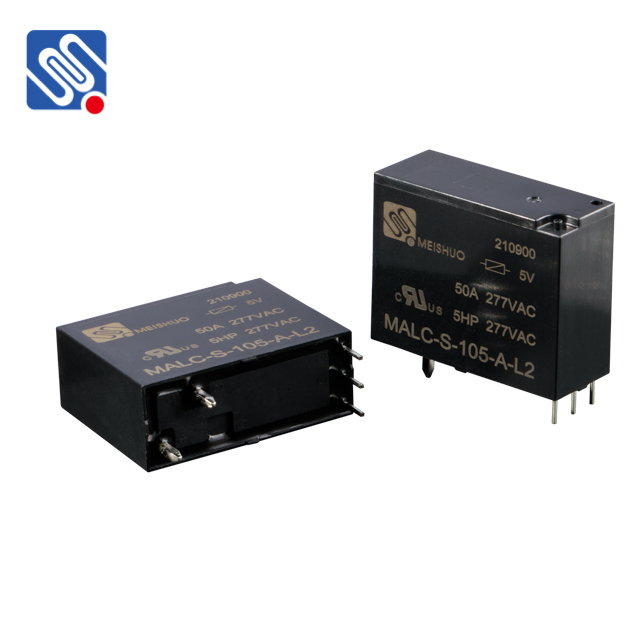
What is a Smart Relay? A smart relay can be defined as an intelligent device that integrates traditional relay functionality with advanced capabilities, enabling remote control and monitoring of electrical systems. Unlike standard relays, which simply act as electrical switches, smart relays can communicate with other devices through a network connection, allowing users to manage their electrical loads from smartphones, tablets, or computers. Key Features of Smart Relays Remote Control: One of the standout features of smart relays is their ability to be controlled remotely. Users can turn devices on or off, adjust settings, or monitor their status from anywhere, as long as there is internet connectivity. This functionality is particularly advantageous for individuals who want to manage their home or office appliances while away.