Power Distribution Relays (PDRs) are essential components in modern electrical grids, playing a critical role in the protection, control, and monitoring of power distribution systems. These devices are designed to detect electrical faults, protect equipment from damage, and ensure the safety of power systems by isolating faulted sections from the rest of the grid. In this article, we will explore the functionality, types, and significance of Power Distribution Relays in ensuring the efficient operation of electrical distribution networks.
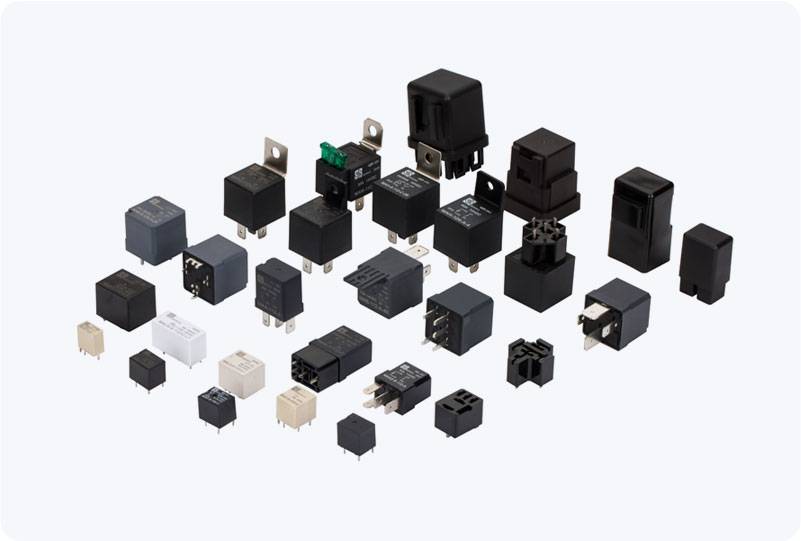
Understanding Power Distribution Relays A Power Distribution Relay is an automatic device that is used to monitor and control the electrical parameters of a power distribution system. The primary purpose of a PDR is to identify abnormalities, such as overloads, short circuits, and other faults, and initiate protective actions, usually by disconnecting the affected part of the system. By doing so, these relays prevent the propagation of faults, which could lead to larger-scale outages, equipment damage, or even hazards to personnel working in the system. PDRs play a crucial role in the overall reliability of power distribution systems. They can detect faults within milliseconds, enabling rapid isolation of the faulty area, while ensuring that the rest of the network continues to operate smoothly. This ability to act swiftly is vital in preventing cascading failures and minimizing downtime.