In the world of electrical engineering, the importance of reliable and efficient power distribution cannot be overstated. Power Distribution Relays (PDRs) are integral components within electrical systems, serving as protective devices that ensure the safety and stability of power distribution networks. This article delves into what Power Distribution Relays are, their key functions, types, applications, and future trends in their design and operation.
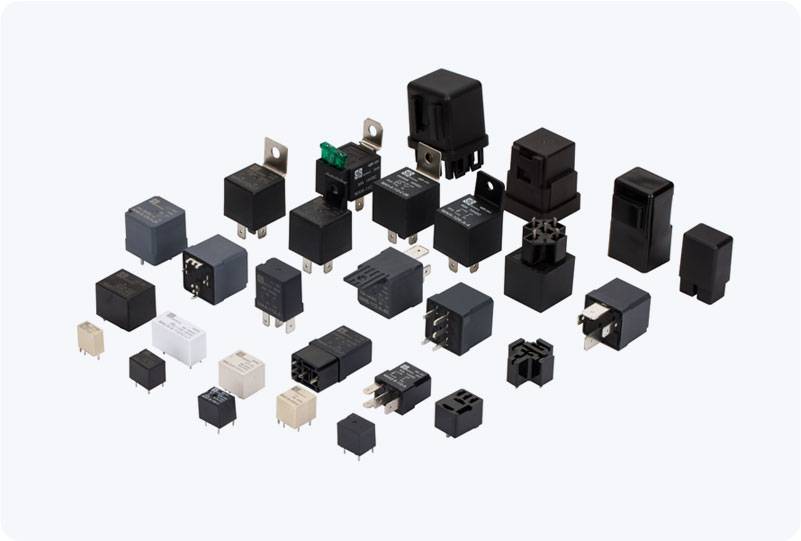
What is a Power Distribution Relay? A Power Distribution Relay is an automated device that monitors the electrical circuits for abnormalities and acts to protect electrical equipment by interrupting the flow of electricity when certain criteria are met. These relays are critical for safeguarding equipment from potential damage due to overloads, short circuits, and other faults that could jeopardize safety and system integrity. Key Functions of Power Distribution Relays Power Distribution Relays perform several essential functions, including: Overcurrent Protection: The primary role of PDRs is to protect circuits from overcurrent situations. By monitoring real-time electric current and comparing it to preset thresholds, the relay will trip and disconnect the circuit if it detects excessive current that could cause damage.