The starter motor relay is an integral part of a vehicle’s electrical system, ensuring that the engine starts efficiently and reliably whenever the driver turns the ignition key or presses the start button. This component may seem small and unobtrusive, but it plays a critical role in the overall functioning of an automobile. In this article, we will delve into the workings, importance, potential issues, and troubleshooting of the starter motor relay.
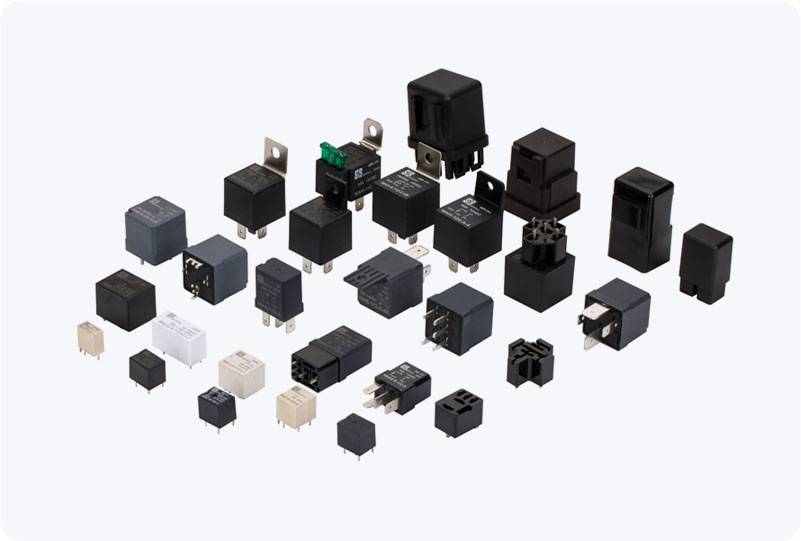
What is the Starter Motor Relay? The starter motor relay is an electromagnetic switch that controls the flow of electrical current from the battery to the starter motor. It acts as an intermediary, carrying high current loads while protecting delicate components in the ignition system from excessive power. The relay ensures that the starter motor receives adequate power to crank the engine until it starts running on its own. How Does the Starter Motor Relay Work? The operation of the starter motor relay is straightforward yet essential for vehicle function. When the driver activates the ignition system—by turning the key or pressing the start button—an initial low-voltage signal is sent to the relay. This signal energizes the coil inside the relay, creating a magnetic field that pulls a metal armature downwards. The movement of the armature closes the contacts within the relay, allowing high-current voltage to flow from the battery to the starter motor.