Relay circuits are integral to numerous electrical and electronic systems, serving critical roles in automating various processes and ensuring efficient operation. A relay is an electromechanical switch that utilizes an electromagnetic coil to control the opening and closing of its contacts. This capability permits a low-power signal to control devices that operate at higher voltage and current, making relay circuits versatile and widely applicable in various industries.
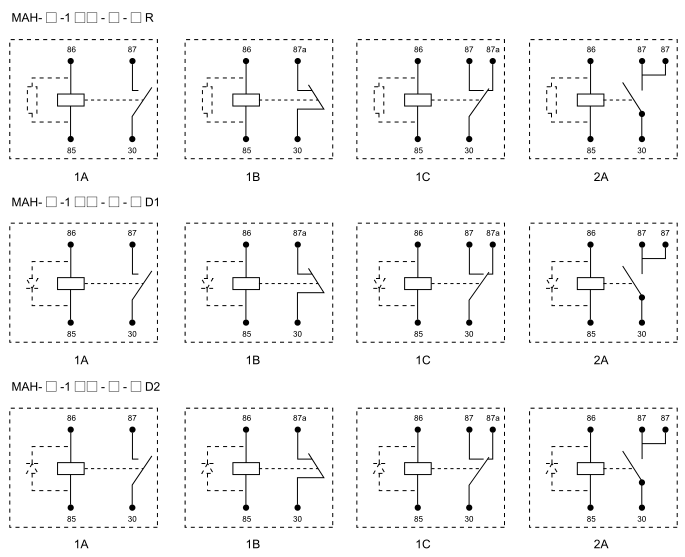
Basic Components of Relay Circuits The fundamental components of a relay circuit include the relay itself, an electromagnetic coil, contacts (which can be normally open or normally closed), and the control and load circuits. Relay: The relay is the primary component acting as a switch. When a voltage is applied to the coil, an electromagnetic field is generated, which attracts a movable armature. This armature closes or opens the contacts, thus completing or interrupting the electrical circuit. Electromagnetic Coil: This coil is responsible for converting electrical energy into mechanical energy. When current flows through the coil, it creates a magnetic field that pulls the armature, triggering the switching action.