In any industrial or manufacturing setting, safety must always be a top priority. One critical aspect of ensuring safety during maintenance and repair operations is the proper implementation of Lockout/Tagout (LOTO) procedures. Among the various tools utilized in these procedures, Lockout Hasps play an essential role. These devices are integral to preventing accidental machine startups, thereby protecting the lives of workers who are carrying out maintenance tasks. This article delves into the function, types, and importance of lockout hasps in the workplace.
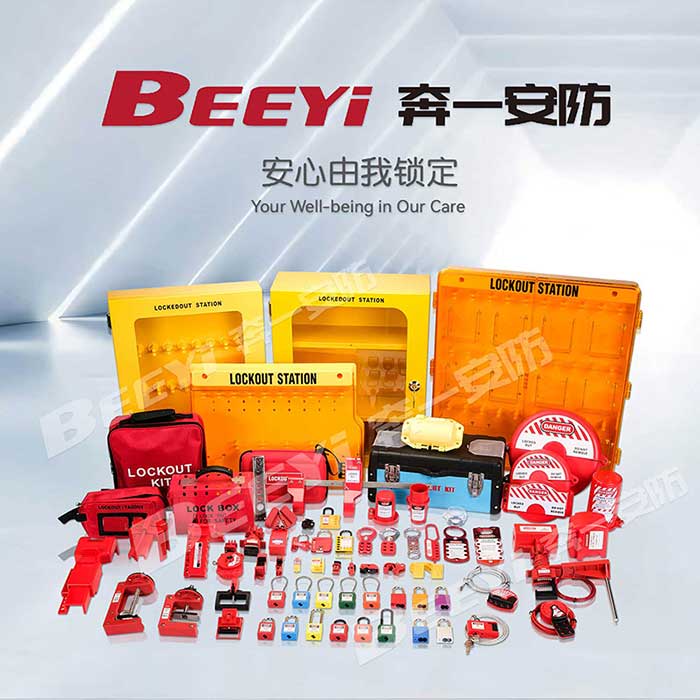
What Are Lockout Hasps? Lockout Hasps are safety devices designed to secure energy-isolating devices, such as switches or valves, when the equipment is undergoing maintenance or repair. They serve as a physical barrier that prevents the accidental activation of machinery, ensuring that workers can perform their tasks without the risk of injury. By allowing multiple locks to be attached to a single hasp, they facilitate a collaborative safety process where more than one worker can secure a piece of equipment simultaneously. How Do Lockout Hasps Work? The primary function of a Lockout Hasp is straightforward. When a worker identifies a piece of equipment that needs to be serviced, they will first turn it off and isolate its energy source. After ensuring the machine is no longer operational, they will attach the lockout hasp to the energy-isolating device. This hasp typically features an array of holes or openings where individual padlocks can be affixed.