Low Voltage Solenoid Valves (LVSV) have become integral components in numerous industries, revolutionizing fluid control systems by providing a reliable, efficient, and cost-effective solution for regulating the flow of liquids and gases. These valves, designed to operate at low voltages, offer improved safety and energy efficiency compared to their higher voltage counterparts. With applications spanning across industrial automation, HVAC systems, water treatment, and medical equipment, the demand for Low Voltage Solenoid Valves is continually increasing. This article explores the working principle, benefits, applications, and types of Low Voltage Solenoid Valves.
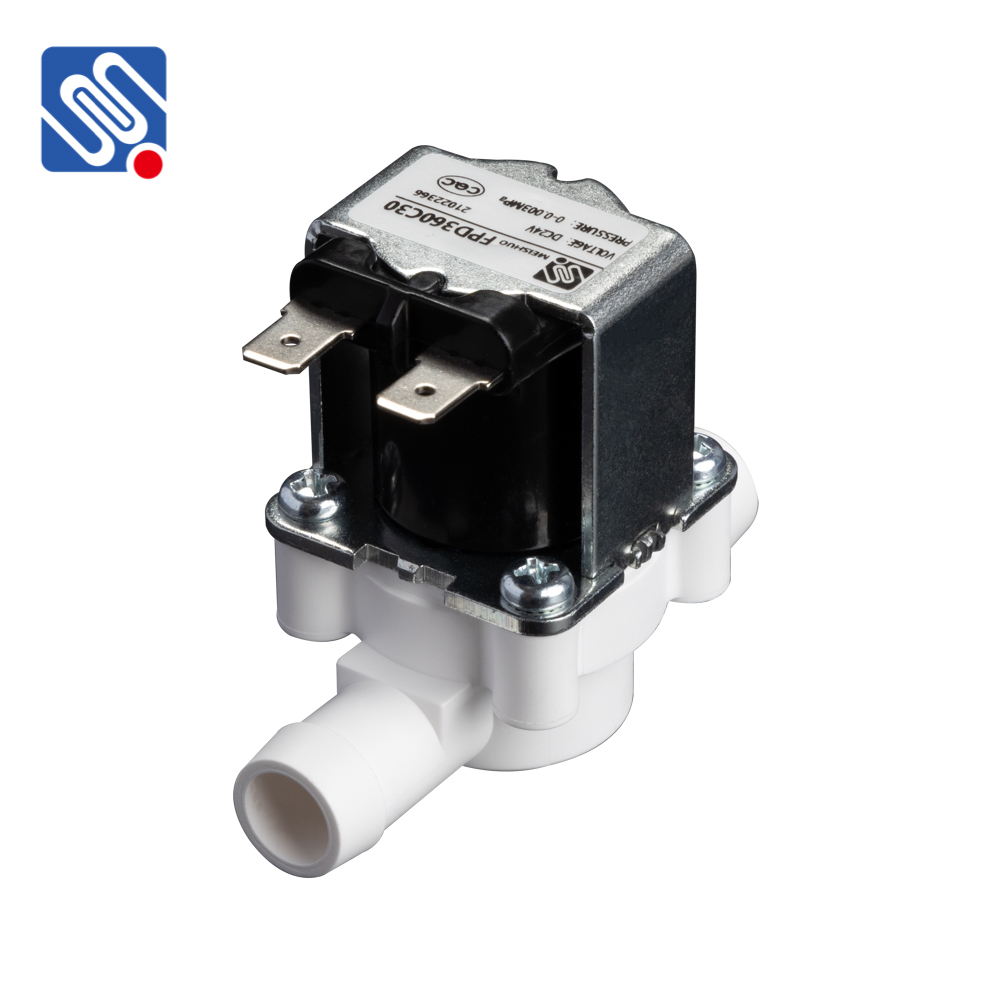
Working Principle of Low Voltage Solenoid Valves At the heart of a Low Voltage Solenoid Valve lies the electromagnetic solenoid coil. When a low voltage, typically ranging from 12V to 24V, is applied to the coil, it generates a magnetic field that activates a plunger or valve stem. This plunger moves within the valve body, either opening or closing the valve, thus controlling the flow of fluid. The low voltage operation makes these valves ideal for use in systems where low power consumption is essential, or safety is a priority. The valve’s operation is simple yet effective. When the solenoid coil is energized, the magnetic field pulls the plunger toward the center of the coil, allowing the fluid to pass through. When the coil is de-energized, a spring mechanism, which is often incorporated into the design, pushes the plunger back to its original position, closing the valve and stopping the flow of fluid. This process enables precise control of the fluid’s flow rate, ensuring the system operates efficiently.