The 24V 30A relay is an essential component in various electrical systems, serving as a critical building block for both industrial and domestic applications. Relays, in general, act as electrically operated switches, enabling the control of high-power devices with low-power signals. In the case of a 24V 30A relay, it operates at a voltage of 24 volts and can handle a current load of up to 30 amperes. This article explores the features, applications, and benefits of using a 24V 30A relay.
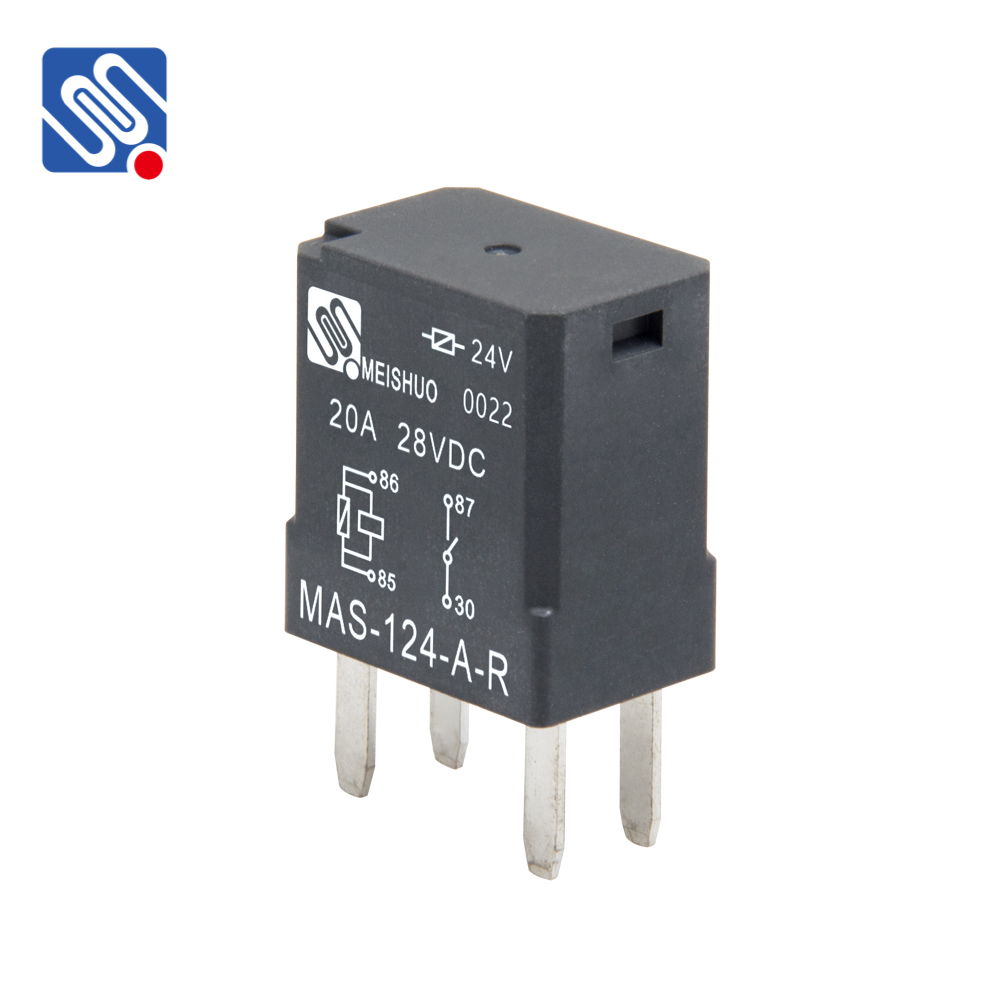
Features of the 24V 30A Relay One of the defining characteristics of the 24V 30A relay is its operational specifications. The relay is designed to work at 24 volts, which is a common standard in many electrical systems, including automotive and industrial applications. The maximum rated current of 30A allows it to switch a variety of loads, making it versatile for different uses. 1. Coil Voltage and Current Rating The coil voltage of 24V means that the relay requires this voltage to energize the electromagnet that allows the relay to switch. The relay must be suitably rated to handle continuous currents up to 30A without overheating or failing.