Relay connectors are critical components widely utilized in various electrical and electronic systems, providing a dependable method for controlling circuits. These connectors not only facilitate the connection between the relay and other electrical elements but also enhance the overall functionality and efficiency of the systems they are integrated into. In this article, we will delve into the fundamental concepts of relay connectors, their design, applications, and the factors to consider when selecting the right relay connector for a specific application.
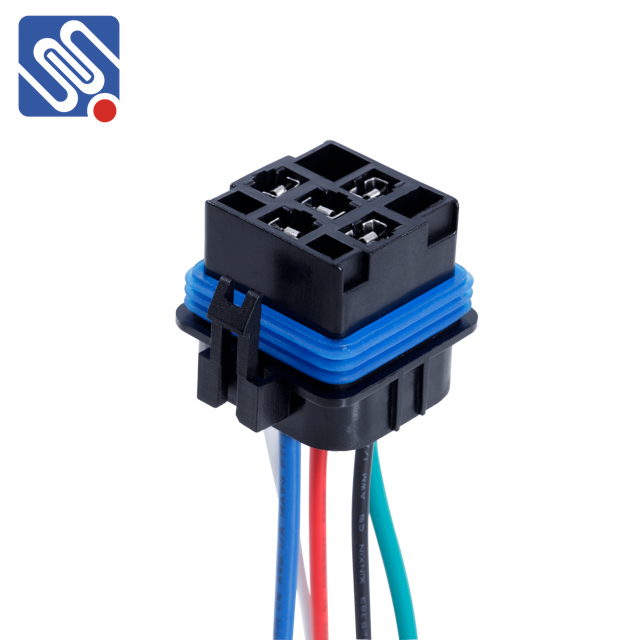
What Are Relay Connectors? Relay connectors serve as the interface between a relay and the electrical circuits it controls. A relay is essentially an electromechanical switch that operates on the principle of electromagnetism. When a voltage is applied to the coil of the relay, it generates a magnetic field, which subsequently shifts an armature that opens or closes a path in the circuit, allowing or disallowing the flow of electricity. Components of Relay Connectors Contacts: The heart of a relay, contacts are responsible for allowing or interrupting the current flow. They are available in various configurations—normally open (NO), normally closed (NC), or changeover (CO). Selecting the appropriate contact configuration is essential for ensuring that the relay functions as intended in the circuit.