Relay isolation is a crucial component in electrical systems, providing an effective means of protecting sensitive components from high-voltage circuits and ensuring that different parts of a system operate independently and safely. This technology uses electromagnetic relays to create a physical separation between circuits, allowing control over one circuit without directly affecting the other. In this article, we will explore the fundamentals of relay isolation, its applications, and its importance in various electrical systems.
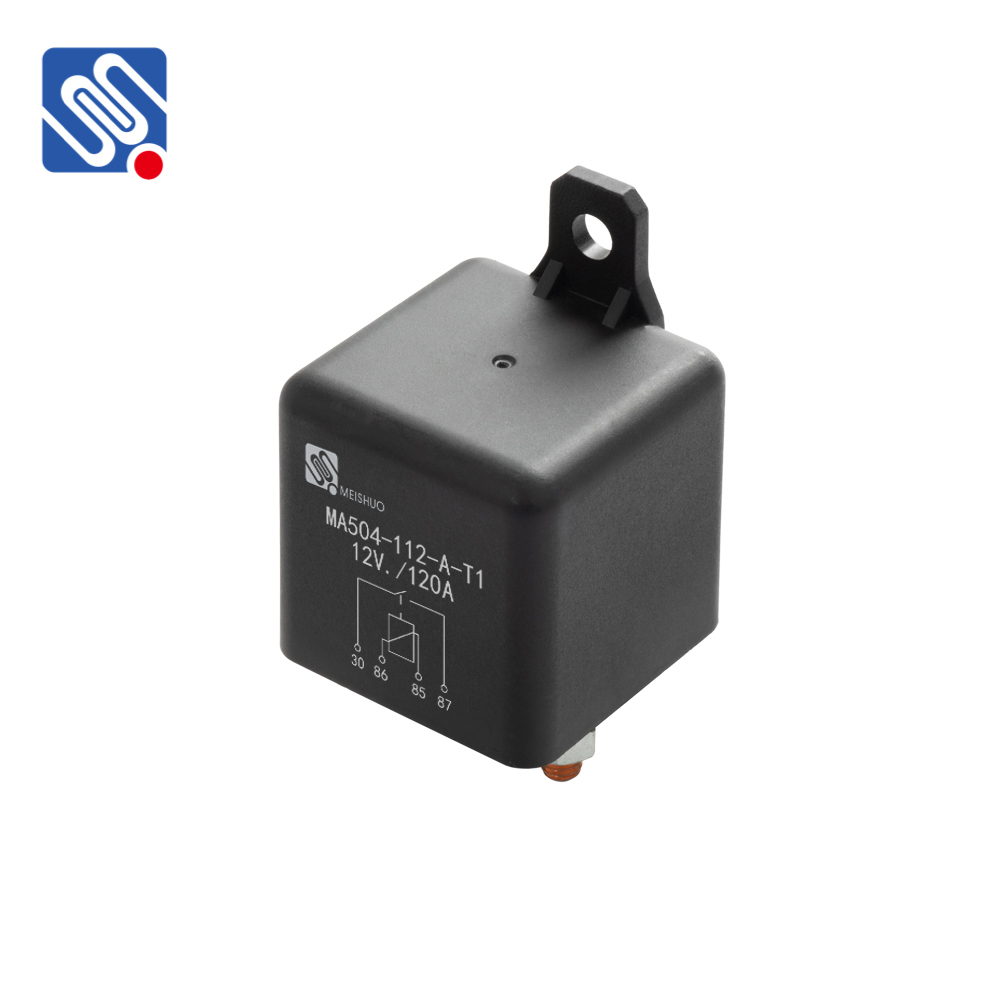
What is Relay Isolation? Relay isolation refers to the technique of using relays to electrically isolate circuits from each other. A relay, which is an electrically operated switch, typically consists of a coil and a set of contacts. When current flows through the coil, it generates a magnetic field that activates the contacts, enabling or disabling the circuit it controls. This process allows the relay to function as an intermediary between high-voltage and low-voltage circuits, ensuring that electrical signals are safely transmitted without creating a direct connection. The primary function of relay isolation is to protect low-voltage circuits from high-voltage systems. When high voltage is present, it poses a risk of damaging sensitive electronic components or causing safety hazards. By isolating the control circuits with a relay, the high-voltage circuit is prevented from interfering with the low-voltage one, thus offering crucial protection.