The SO 12100 standard serves as a crucial guideline for the design and construction of machinery, focusing on ensuring safety and minimizing risks in industrial environments. While the standard itself addresses the fundamental principles of machine safety, the role of safety relays in this context is paramount. Safety relays, such as those compliant with SO 12100, are integral components in safeguarding operators and maintaining machinery compliance with safety regulations.
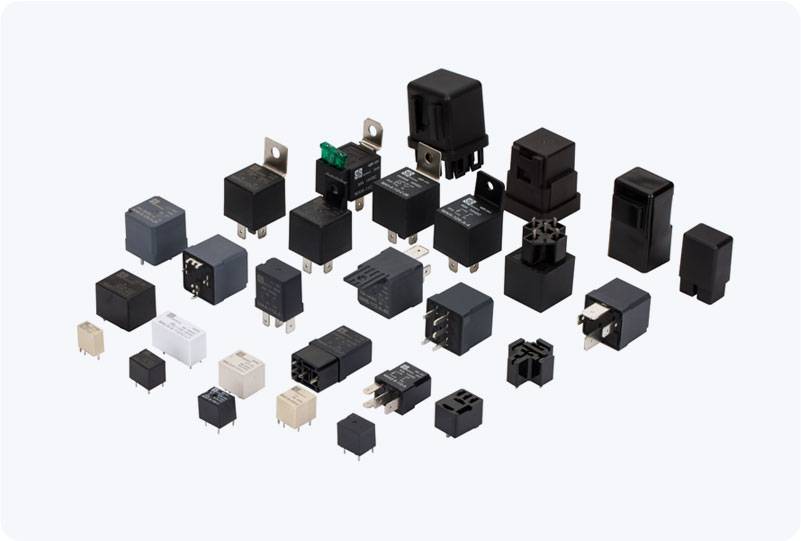
What is SO 12100? SO 12100 is an international standard that outlines the essential principles for the design and risk assessment of machines in order to enhance safety. The standard emphasizes understanding potential hazards associated with machinery and provides a framework for designers and manufacturers to implement safety measures throughout the lifecycle of a machine. By identifying hazards, assessing risks, and implementing prevention measures, the standard aims to create a safer working environment. Role of Safety Relays Safety relays play a pivotal role in machinery safety by monitoring and controlling safety functions. These devices are designed to detect unsafe conditions and promptly take corrective action, which typically involves shutting down machinery or initiating emergency procedures. The implementation of safety relays is essential to comply with various safety standards, including SO 12100, as they form the last line of defense in risk management.