Relays are essential components in modern electrical and electronic systems. One specific type of relay, the 220V AC Relay, is designed to control high-voltage AC circuits using a low-voltage DC signal. This type of relay is commonly used in industrial, residential, and commercial applications, where efficient switching between circuits is required. In this article, we will explore the working principles, typical applications, and key considerations when selecting a 220V AC relay.
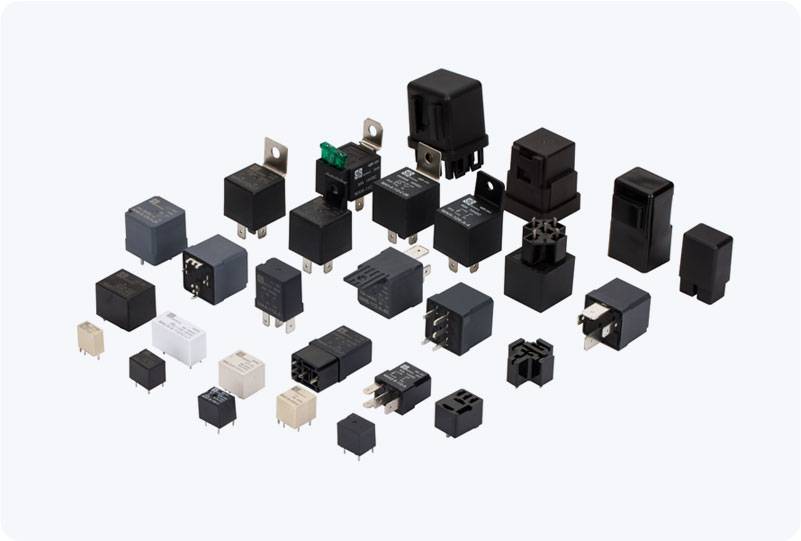
What is a 220V AC Relay? A 220V AC relay is an electromechanical switch that enables a low-power electrical circuit to control a higher-power circuit. The main function of a relay is to use a small current to operate a larger current, offering a safe and reliable way to control devices and systems that operate on higher voltages like 220V AC. The relay consists of a coil, an armature (moving part), a set of contacts, and a spring. When the relay’s coil is energized by a small current (typically low-voltage DC), it generates a magnetic field that attracts the armature. This movement of the armature causes the contacts to change states, either closing or opening the circuit, depending on the type of relay. In the case of a 220V AC relay, these contacts are designed to handle the higher voltage and current associated with AC circuits.