A Normally Open Solenoid Valve (NOSV) is a vital component in numerous industrial and commercial applications, playing a crucial role in fluid control systems. As the name suggests, this type of valve remains open when there is no electrical power supplied to it. Upon receiving an electrical signal, the valve shifts to a closed position, thereby interrupting the flow of fluid. This inherent design feature makes Normally Open Solenoid Valves significant in situations where the default state should allow for continuous flow, and the system needs to be closed only under specific conditions.
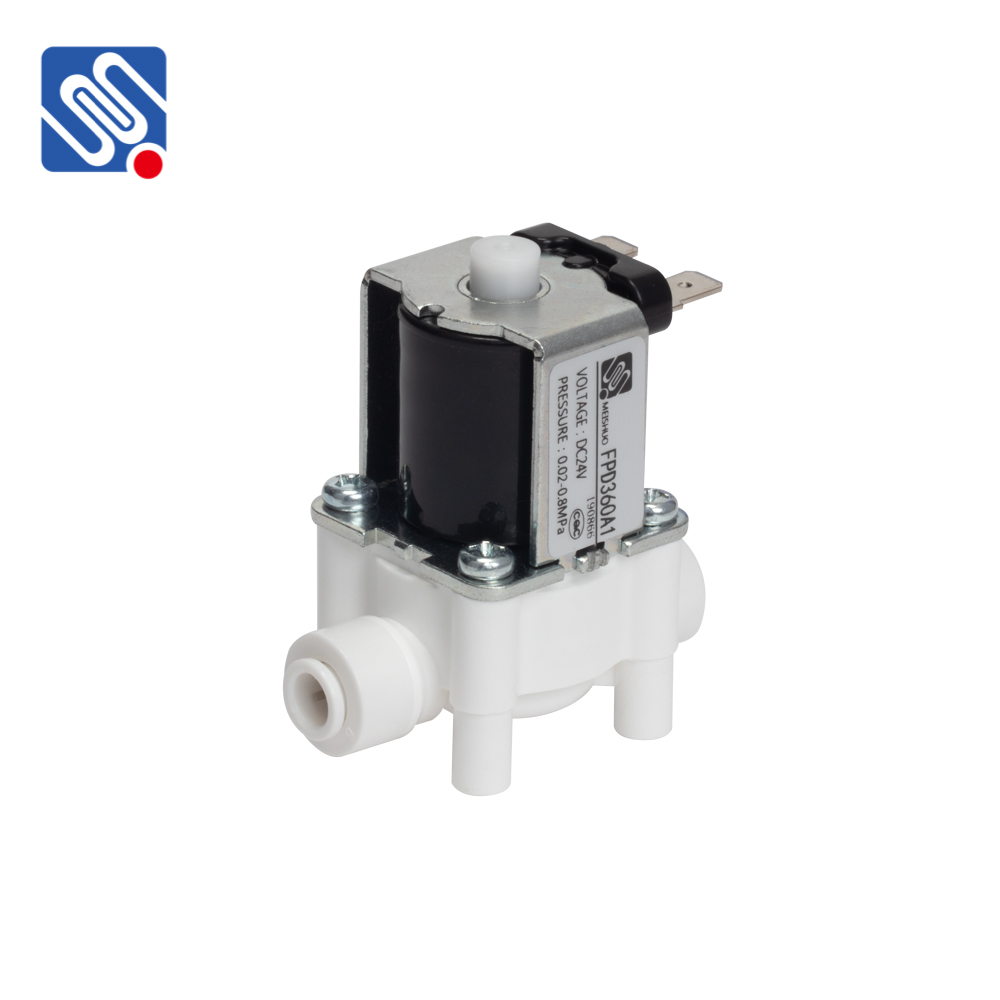
Operating Principle The operation of a Normally Open Solenoid Valve is relatively straightforward. At the core of this device lies an electromagnet. When the valve is in its default state without electrical current, a spring keeps the valve open, allowing fluid (gas or liquid) to flow freely through the valve. When electricity flows through the solenoid coil, it generates a magnetic field, which pulls a plunger or diaphragm against the force of the spring, closing the valve. As soon as the electrical current is removed, the magnetic field dissipates, and the spring pushes the plunger back to its original position, reopening the valve.