DC Solenoid Valves are critical components in various automation, fluid control, and pneumatic systems. They are specifically designed to regulate the flow of liquids or gases through pipelines by using electromagnetic forces. Operating with a direct current (DC) power supply, these valves are ideal for low-voltage applications and have become an essential part of industries ranging from manufacturing to healthcare. In this article, we will explore the basic principles, key components, advantages, disadvantages, and diverse applications of DC Solenoid Valves.
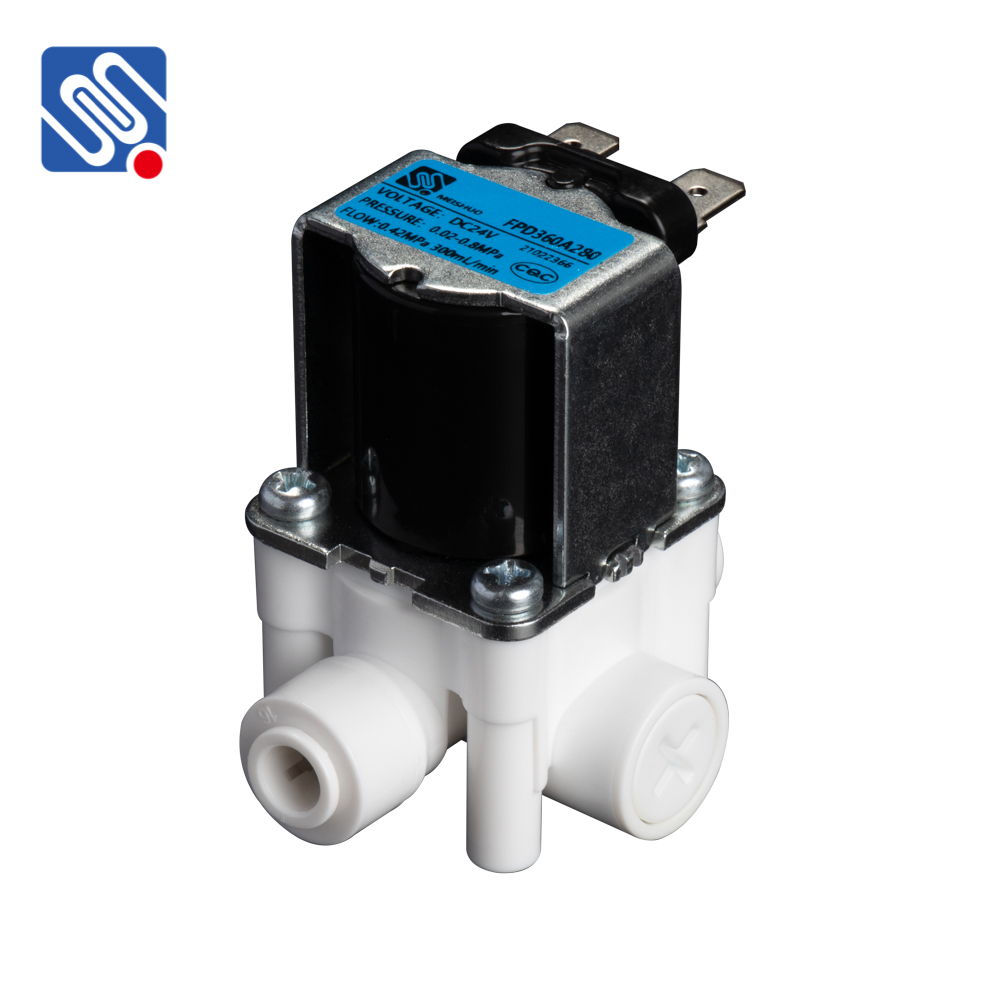
What is a DC Solenoid Valve? A DC Solenoid Valve is an electromechanical device that controls the flow of a fluid (liquid or gas) within a pipeline by means of a solenoid—a coil of wire that becomes magnetized when an electrical current passes through it. The solenoid valve typically includes a valve body, a solenoid coil, an armature, a plunger, and a spring. The key feature of this valve is its ability to open or close the valve based on the flow of electrical current, making it an essential component for automation and precise control of fluid systems. How Does a DC Solenoid Valve Work?