A power relay is an electromechanical switch that plays a critical role in controlling electrical circuits. It serves as a bridge between low-power control signals and high-power loads, making it an essential component in various applications, from household appliances to industrial automation systems. This article delves into the workings of power relays, their types, applications, and considerations for selection.
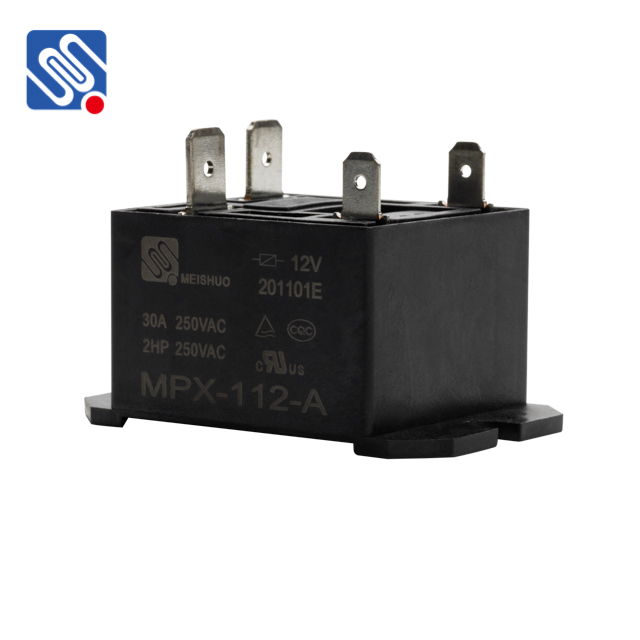
What is a Power Relay? At its core, a power relay consists of a coil, armature, spring, and contacts. When an electrical current flows through the coil, it generates a magnetic field that attracts the armature. This movement either closes or opens the contacts of the relay, thus controlling the flow of electricity in the circuit. Unlike manual switches, relays can be operated remotely and automatically, based on conditions such as temperature, pressure, or even a simple electrical signal. Working Principle The basic working principle of a power relay is simple yet effective. When voltage is applied to the coil, it energizes the magnetic field. This magnetic force moves the armature, which mechanically toggles the contacts to either connect (close) or disconnect (open) the circuit. The design allows for a significant isolation between the control circuit (low-power side) and the load circuit (high-power side), ensuring that low-voltage components do not get damaged.