IGBT-based HV (High Voltage) relays represent a significant advancement in switching technology, particularly in the field of electrical power control. With their ability to manage high voltage and high current applications, these relays have found critical use in industries ranging from renewable energy to industrial power systems. This article explores the function, benefits, and various applications of IGBT-based HV relays, highlighting their importance in modern electrical engineering.
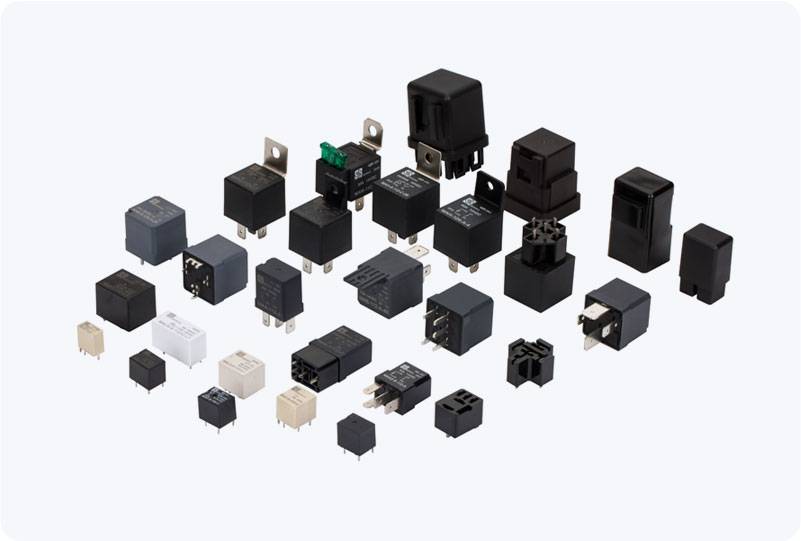
What is an IGBT-Based HV Relay? An IGBT-based HV relay combines the properties of Insulated Gate Bipolar Transistor (IGBT) technology with the functionality of a relay. Unlike traditional mechanical relays that rely on physical contacts to open or close circuits, IGBT relays use semiconductor technology to achieve switching without moving parts. The IGBT is a solid-state device that offers the advantages of both bipolar transistors and MOSFETs (Metal Oxide Semiconductor Field-Effect Transistor), enabling efficient control of high voltage and high current. The core advantage of using IGBT technology in relays is that they can switch large amounts of power with minimal wear and tear, unlike mechanical relays that suffer from contact erosion over time. This makes IGBT-based HV relays an ideal solution for applications that require frequent switching, high reliability, and long operational life.