In modern industrial and domestic applications, the demand for efficient and reliable fluid control systems has surged. One of the essential components that facilitate this control is the plastic solenoid valve. Known for its versatility and resilience, the plastic solenoid valve has become a go-to choice for various applications, ranging from irrigation to medical devices. This article will explore the definition, features, applications, and advantages of plastic solenoid valves, as well as considerations for their use.
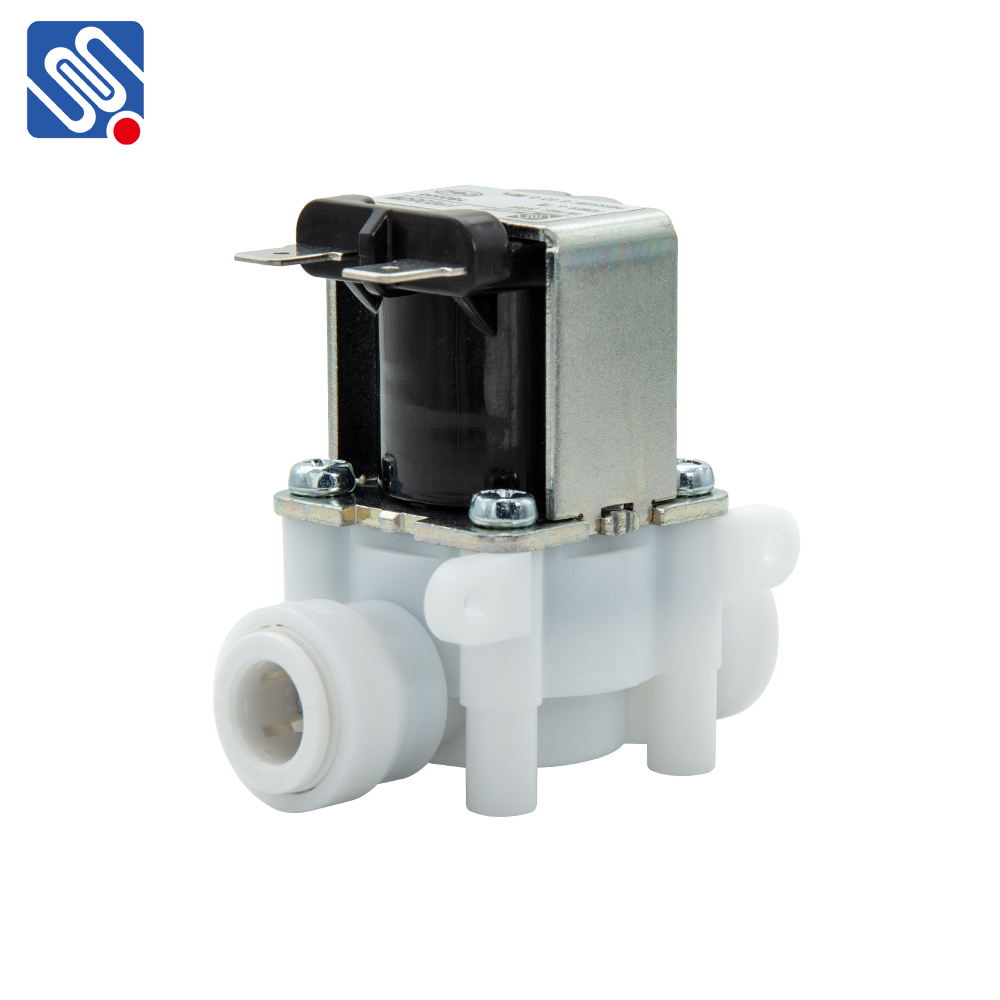
What is a Plastic Solenoid Valve? A plastic solenoid valve is an electromechanical device used to control the flow of fluids by opening or closing in response to an electric current. The basic operation of a solenoid valve relies on the electromagnetic field generated when an electric current passes through a coil. This magnetic field actuates a movable plunger within the valve, allowing or obstructing the passage of fluid. Because these valves are made primarily from plastic materials like PVC, polypropylene, and PTFE, they exhibit excellent resistance to corrosion and chemical abrasion, which makes them suitable for a broad range of applications.