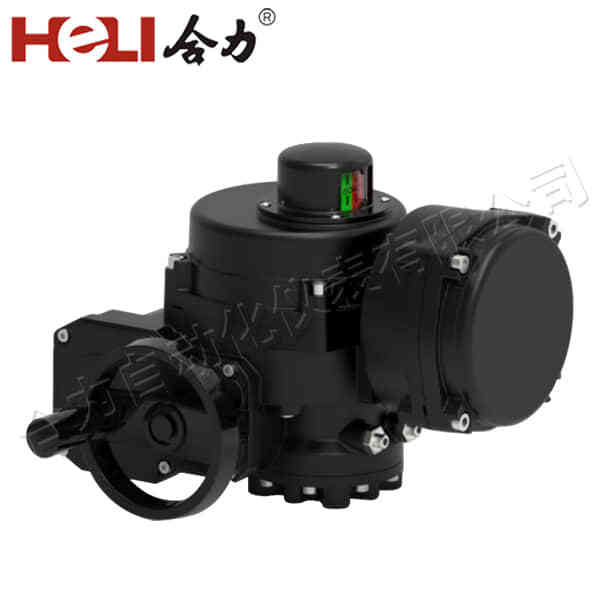
Electric actuator valves are integral components in various industrial processes, serving as the gateway to efficient and automated fluid control. The combination of valves and electric actuators facilitates precise management of fluid flow in systems ranging from water treatment plants to chemical manufacturing units. This article delves into the functionality, advantages, and applications of electric actuator valves, highlighting their significance in modern automation and structural engineering.
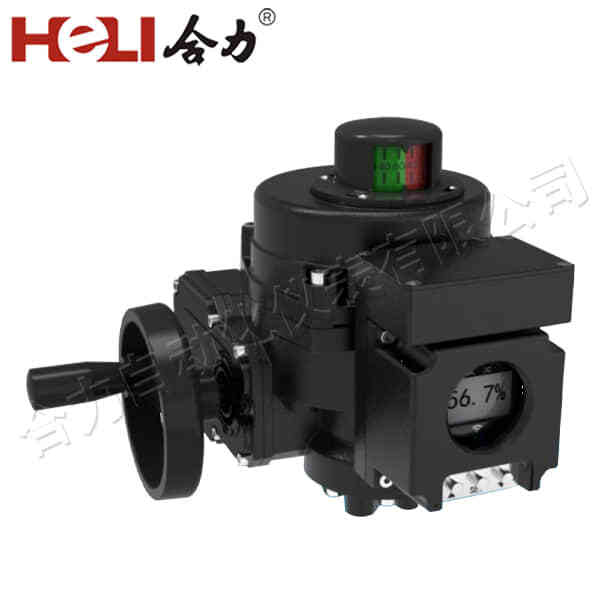
What is an Electric Actuator Valve?
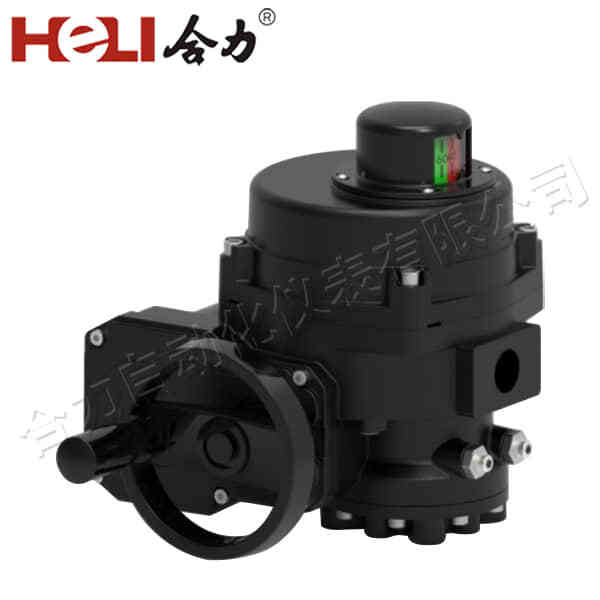
An electric actuator valve is a device that uses electric motors to automate the opening and closing of valves. These valves can take various forms, including ball valves, butterfly valves, and globe valves, each with unique characteristics that fit different applications. The electric actuator converts electrical energy into mechanical motion, allowing for the precise control of the valve’s position—be it fully open, fully closed, or anywhere in between. How Electric Actuator Valves Work The operation begins with a control signal being sent to the electric actuator. This can come from a centralized control system, a programmable logic controller (PLC), or even manual inputs. Upon receiving the signal, the actuator’s motor rotates a shaft, creating the necessary torque to move the valve. Advanced models can incorporate feedback systems, allowing for the continuous monitoring of the valve position, ensuring it operates within specified parameters.