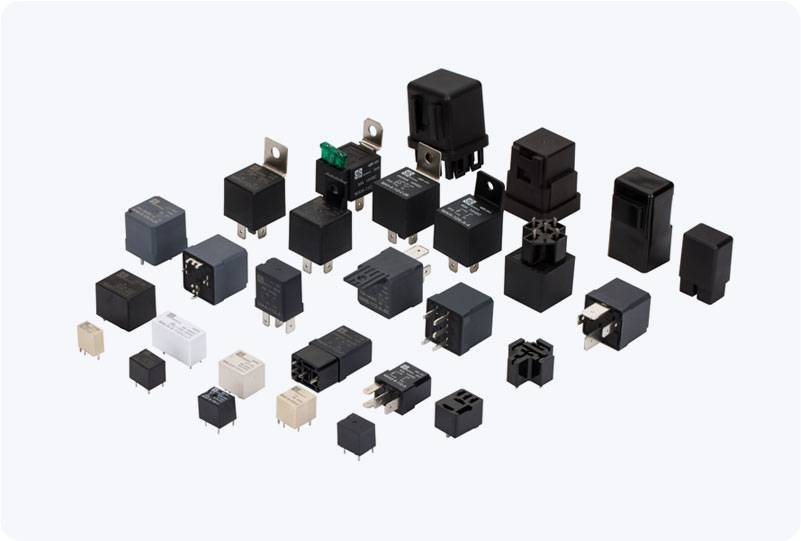
Electromechanical relays (EMRs) are fundamental devices in the realm of electrical engineering, playing a crucial role in controlling the flow of electric currents in various applications. These devices leverage electromagnetic principles to switch circuits on and off, making them indispensable in both industrial and residential settings. In this article, we will explore the working mechanism, components, applications, advantages, and disadvantages of electromechanical relays.
Working Mechanism At the heart of the electromechanical relay is its ability to use a small electric current to control a larger one. The basic operational principle is centered around the interaction between an electric coil and a movable armature. When an electric current passes through the coil, it generates a magnetic field. This magnetic field attracts the armature, causing it to pivot and either make or break contact with the relay’s terminals, thereby completing or interrupting the circuit. Most relays contain both normally open (NO) and normally closed (NC) contacts. In the NO configuration, the circuit is open until the relay is activated, while in the NC configuration, the circuit is closed until activation occurs. This versatility allows electromechanical relays to be used in a wide range of applications, from simple switching tasks to complex control systems.