A Circuit Breaker Relay is an essential electrical device designed to protect electrical circuits and equipment from faults such as overloads, short circuits, and under-voltage conditions. By combining the functions of a circuit breaker and a relay, it offers automatic protection and helps maintain the safety and reliability of power systems, industrial machinery, and household electrical systems. This article explores the purpose, types, working principles, applications, and benefits of the Circuit Breaker Relay, emphasizing its importance in modern electrical systems.
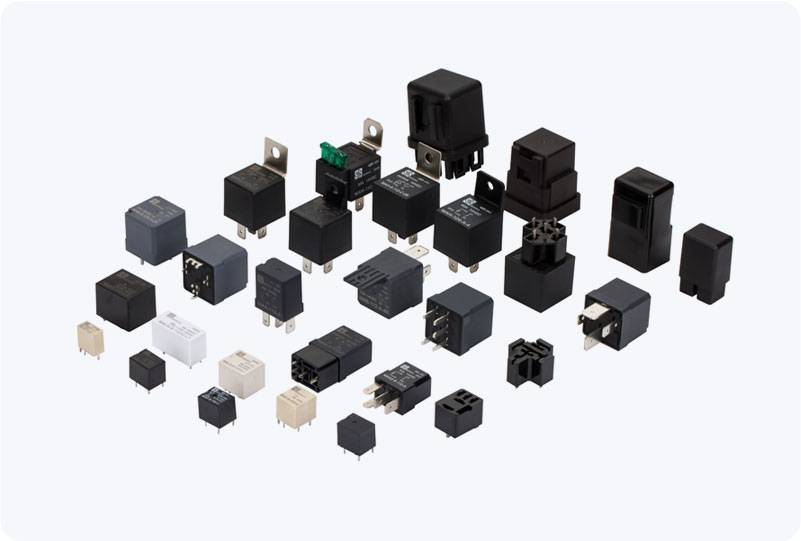
What is a Circuit Breaker Relay? A Circuit Breaker Relay is a device that integrates a circuit breaker with a relay mechanism to protect electrical circuits from hazardous conditions. When a fault, such as an overload or short circuit, occurs, the relay detects the anomaly and sends a signal to the circuit breaker to disconnect the power supply, preventing damage to the system. This automatic shutdown feature ensures that equipment remains safe from excessive current or voltage fluctuations. The primary role of a circuit breaker relay is to act as an intermediary between the electrical system and its protection mechanisms, offering both protective and operational benefits. It’s commonly used in high-power electrical systems like power grids, factories, and even residential electrical systems.