In modern electrical systems, safety is paramount to prevent costly damages, accidents, and operational disruptions. One crucial component in ensuring the protection of electrical equipment is the Overload Protection Relay. This device plays a pivotal role in safeguarding motors, transformers, and other electrical devices from the detrimental effects of overloads. Overload protection relays are designed to detect abnormal current conditions and interrupt the power supply before the equipment is damaged, thus enhancing reliability and longevity.
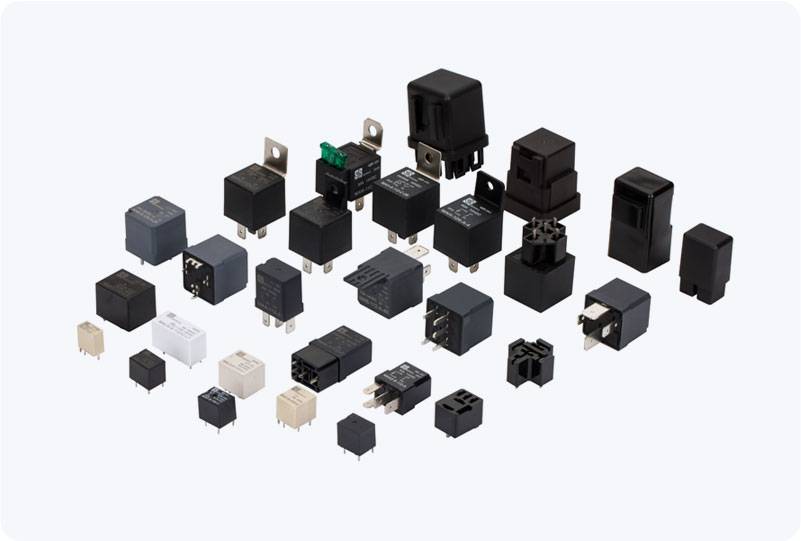
What is an Overload Protection Relay? An Overload Protection Relay is a protective device that monitors the electrical current in a system. Its primary function is to prevent overheating and potential damage to electrical equipment, particularly motors, by disconnecting the circuit if the current exceeds a predetermined threshold. Overload protection is essential for the longevity of electrical systems, as sustained overcurrent conditions can lead to permanent damage, increased wear, and even catastrophic failures like fires. Working Principle of Overload Protection Relay The basic principle behind the overload protection relay is the detection of overcurrent, which occurs when an electrical load exceeds the designed capacity of the equipment. Most overload protection relays use thermal or electromagnetic principles to detect these abnormal conditions.