Temperature control is a critical aspect of various industries and home applications, ensuring that environments remain in optimal conditions. A pivotal component in achieving precise temperature regulation is the Temperature Control Relay. This device not only automates temperature management but also enhances efficiencies across diverse settings, from industrial processes to domestic appliances. This article delves into the fundamentals of temperature control relays, their working mechanisms, applications, and advantages.
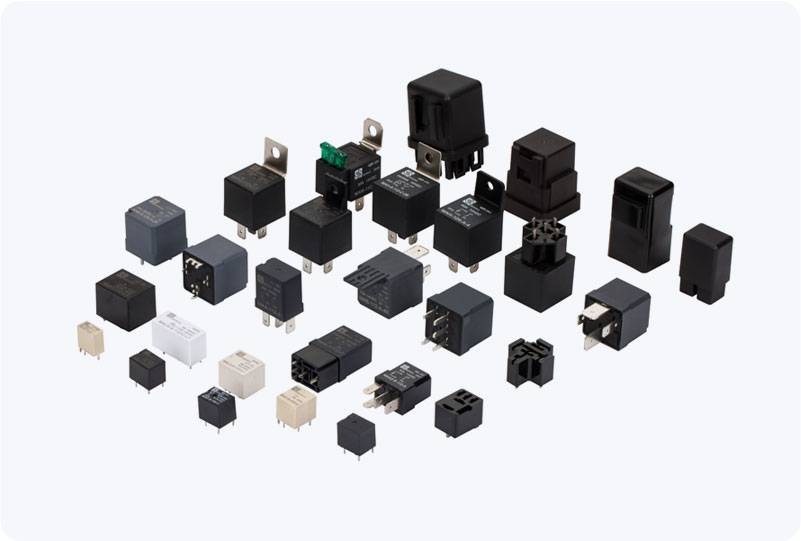
What is a Temperature Control Relay? A Temperature Control Relay is an electromechanical device designed to control the operation of heating and cooling systems based on pre-set temperature thresholds. It activates or deactivates attached equipment—such as heaters, air conditioners, or fans—based on real-time temperature readings provided by a connected temperature sensor. How Does It Work? The operation of a Temperature Control Relay involves several key components: Temperature Sensor: The relay utilizes a temperature sensor—commonly a thermocouple or thermistor—to continuously monitor ambient temperature. This sensor transmits accurate temperature readings to the relay circuitry.