In our increasingly automated world, machinery safety has become a paramount concern for every industry. The SO 12100 Safety Relay is a critical component in achieving compliance with the safety standards outlined in the EN ISO 12100 standard. This standard provides essential guidelines for the design and construction of machinery, focusing on risk assessment and reduction strategies to ensure the safety of operators and bystanders. This article aims to explore the SO 12100 Safety Relay, its functionalities, application in machinery safety, and its role in adhering to safety regulations.
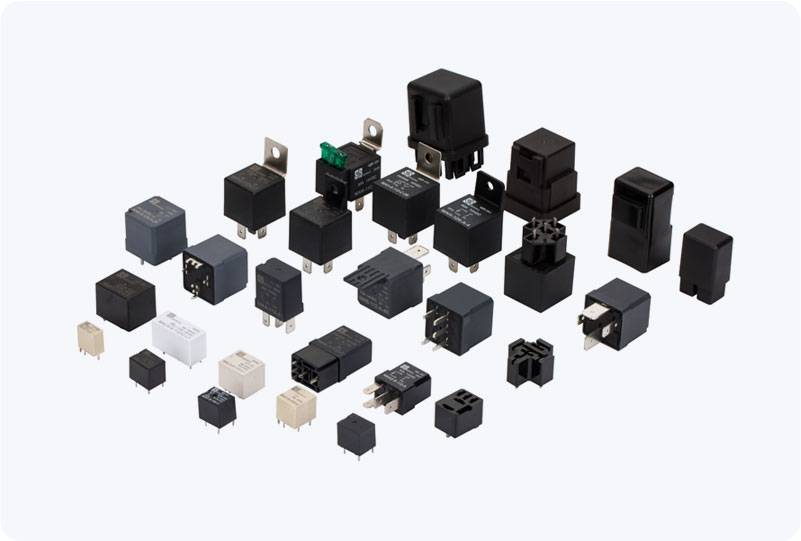
What is a Safety Relay? A safety relay is an electromechanical switch that serves as a vital part of safety circuits in machinery. Its primary function is to monitor safety devices such as emergency stop buttons, safety gates, and light curtains. When a risk is detected (for example, when a guard is opened or an emergency stop is pressed), the safety relay quickly responds to interrupt the power supply, ensuring that the machinery ceases operation to prevent accidents and injuries. The Significance of EN ISO 12100 The EN ISO 12100 standard is a framework that outlines the fundamental principles for achieving machinery safety. It provides guidelines for assessing risks associated with machinery, identifying potential hazards, and implementing measures to mitigate these risks. The standard emphasizes a thorough risk assessment process that considers factors such as the intended use of machines, their operating environment, and the skills of personnel interacting with the machinery.