In the field of water treatment, Reverse Osmosis (RO) technology has gained tremendous popularity due to its effectiveness in producing high-purity water by removing contaminants and dissolved solids. A critical component of any RO system is the RO solenoid valve, which plays a vital role in controlling the flow of water through the system. This article delves into the functionality, types, maintenance, and applications of RO solenoid valves, highlighting their importance in ensuring the efficiency of reverse osmosis systems.
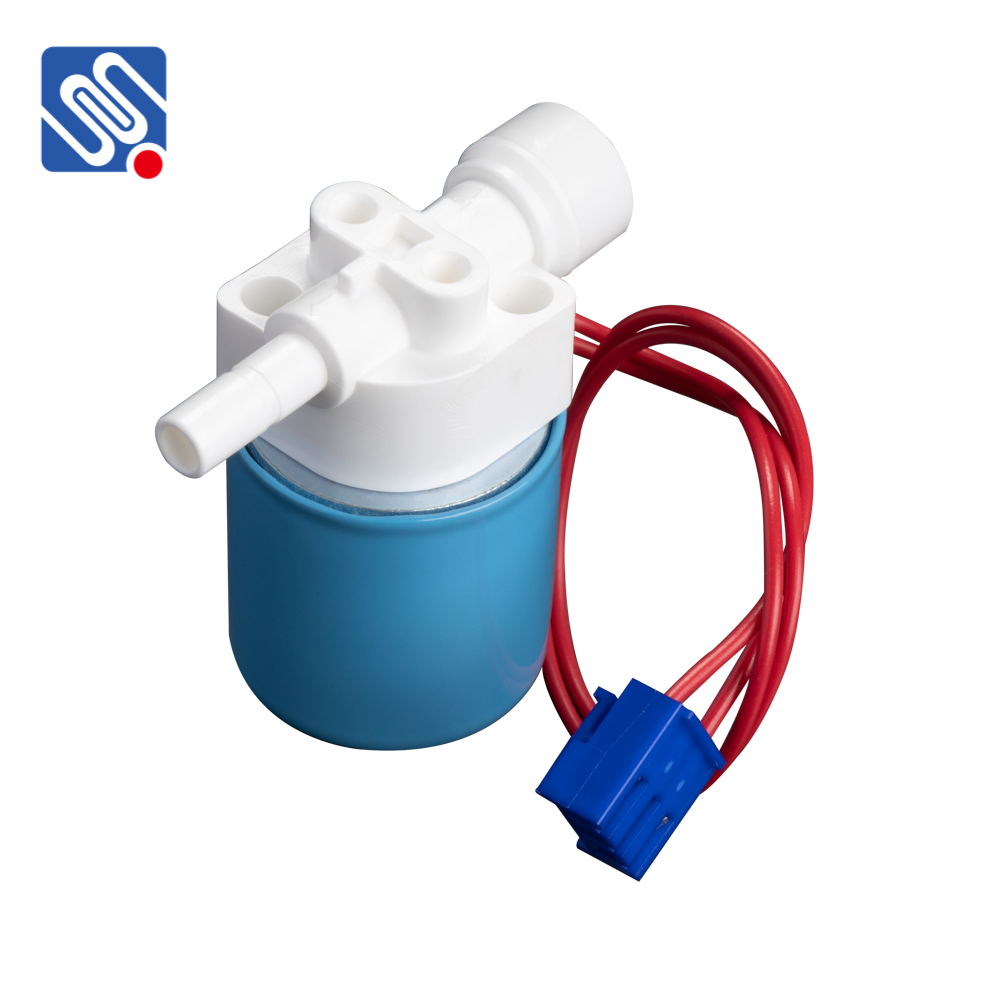
What is an RO Solenoid Valve? An RO solenoid valve is an electromechanical device that regulates the flow of water in RO systems. It consists of an electromagnetic coil and a valve body. The main function of the solenoid valve is to open or close the water flow based on electrical signals, thus enabling precise control over the system’s operations. When the coil is energized, it generates a magnetic field that moves the valve’s internal mechanism, allowing water to flow. Conversely, when the coil is de-energized, the valve closes, stopping the water flow. Functionality of RO Solenoid Valves