Industrial relays are fundamental electrical components widely used in automation, control systems, and protection circuits. These devices act as intermediaries that allow low-voltage control signals to switch higher-voltage circuits, providing safety, efficiency, and reliability in industrial operations. In this article, we will explore the key aspects of industrial relays, their types, and their applications in various industries.
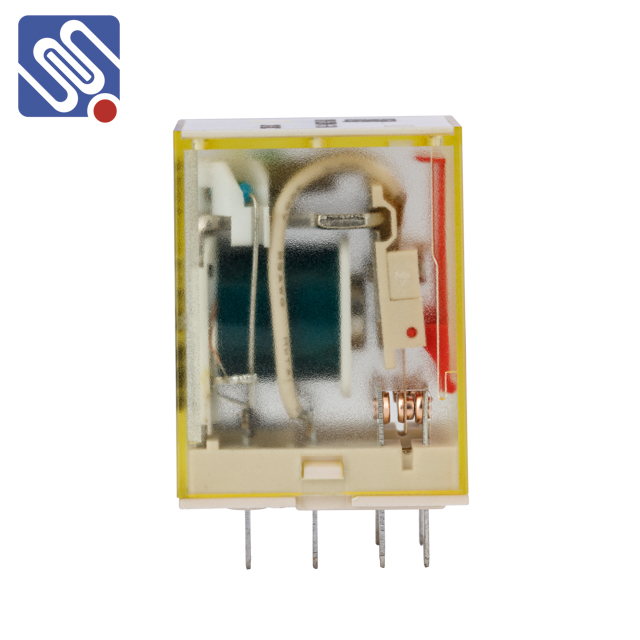
What is an Industrial Relay? An industrial relay is an electrically operated switch that uses an electromagnet to open or close contacts in an electrical circuit. The basic components of a relay include a coil (which generates a magnetic field when energized), contacts (which open or close in response to the coil’s magnetic field), and a mechanical or solid-state mechanism to actuate the contacts. Industrial relays are designed to handle high currents or voltages and are typically used for controlling machinery or electrical equipment in industrial environments. The principle behind an industrial relay is simple yet powerful: it allows a small control signal to control a much larger load. For instance, a low-voltage signal from a control panel can trigger a relay that switches on a motor or activates heavy-duty equipment. This makes industrial relays essential for automating processes and safeguarding equipment.