A 30A power relay is a type of electrical component used for controlling high-power circuits. This relay is designed to switch large currents (up to 30 amperes), making it suitable for a wide range of industrial, automotive, and home appliance applications. In this article, we will explore the key features, applications, and considerations when using a 30A power relay, shedding light on why it is such a valuable component in modern electrical systems.
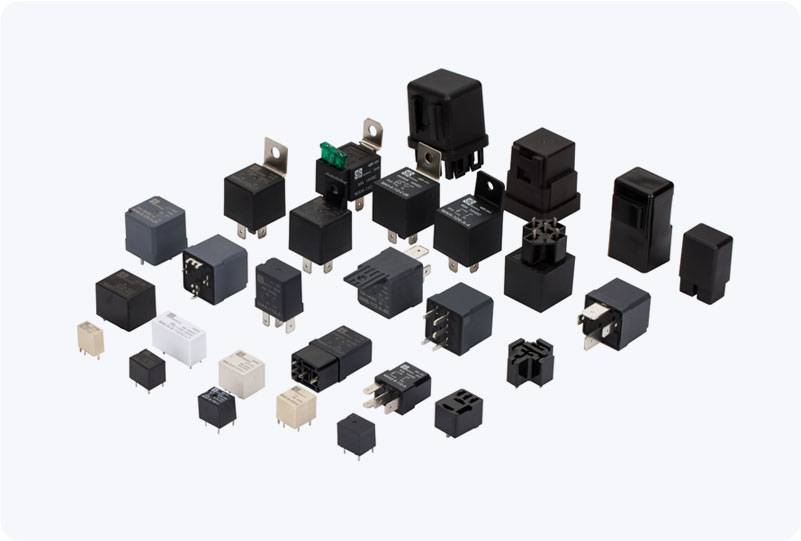
What is a 30A Power Relay? A power relay, at its core, is an electrically operated switch. It is used to control the flow of current in a circuit, enabling devices to switch on and off remotely without the need for direct human intervention. The “30A” in the name refers to the maximum current the relay can safely handle, which is 30 amperes. Relays can vary in current handling capacity, but 30A relays are considered robust enough for medium to high-power applications. Components and Design of a 30A Power Relay A typical 30A power relay consists of several key components: Coil: This is the electromagnetic part of the relay. When an electrical current is applied to the coil, it generates a magnetic field that activates the switch mechanism.