Lockout hasps are essential safety devices used in various industrial environments to ensure machinery is properly secured during maintenance or repair. These devices are integral components of lockout/tagout (LOTO) procedures, which are designed to prevent accidental injuries or fatalities caused by the unexpected release of hazardous energy. The Lockout Hasps Technical Support plays a crucial role in helping companies and workers understand the proper use, installation, and maintenance of lockout hasps, ensuring that safety protocols are followed meticulously.
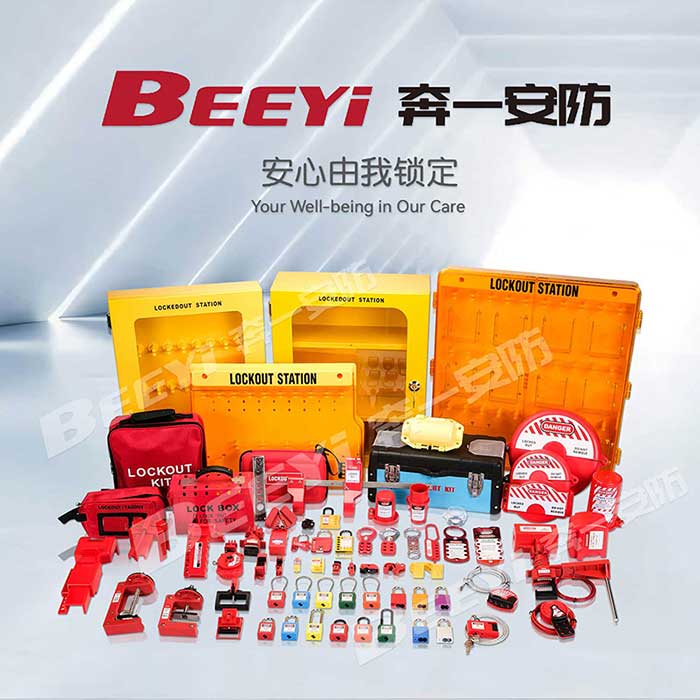
What are Lockout Hasps? Lockout hasps are mechanical devices that are used to lock out hazardous equipment by securing it in the off position during maintenance or servicing. They typically consist of a metal or plastic hasp with multiple slots for padlocks. These locks prevent anyone from accidentally re-energizing or operating machinery while it is being worked on. The lockout hasp is usually applied in conjunction with other lockout devices, such as valve locks or electrical panel locks, to ensure complete isolation of energy sources. The primary purpose of the lockout hasp is to provide a secure means of enforcing a “zero energy state.” This means that all potential sources of hazardous energy—whether mechanical, electrical, hydraulic, or pneumatic—are isolated, effectively reducing the risk of injury. Lockout hasps allow multiple workers to safely perform maintenance tasks by attaching their individual locks to the hasp, ensuring that no one can restart the equipment until all authorized personnel remove their locks.