In the rapidly evolving food industry, maintaining safety standards and ensuring product quality are of utmost importance. One crucial component that plays a significant role in achieving these objectives is the food grade solenoid valve. This specialized valve not only regulates the flow of various substances in food processing systems but also complies with stringent health regulations to safeguard consumer health. In this article, we will explore the features, applications, advantages, and maintenance of food grade solenoid valves, highlighting their significance in the food and beverage sector.
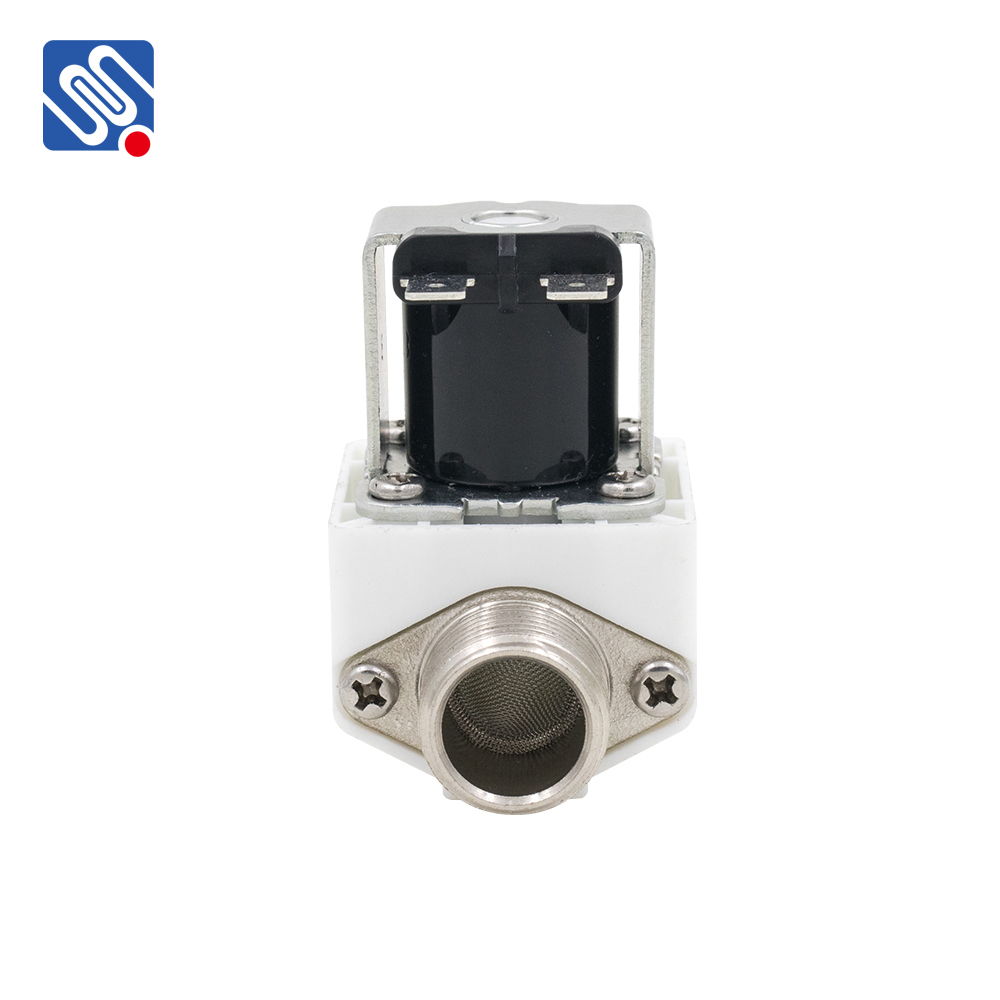
What is a Food Grade Solenoid Valve? A food grade solenoid valve is an electromechanical device designed to control the flow of liquids or gases while ensuring that the materials used in its construction meet food safety standards. These valves are typically made from food-safe materials such as stainless steel or specialized plastics that can withstand harsh conditions without contaminating the food products they interact with. The primary function of a solenoid valve is to open or close a fluid pathway in response to an electrical signal, thus enabling automated control in various applications.