Equipment lockout tags are essential safety tools used in industrial and maintenance settings to prevent accidental injuries or fatalities. These tags, typically part of a lockout/tagout (LOTO) system, play a critical role in ensuring the safety of workers when dealing with machinery or equipment that requires servicing or maintenance. By clearly marking machinery that is undergoing maintenance, lockout tags provide a visual signal to workers, preventing the accidental activation of hazardous energy sources. In this article, we will explore the purpose, importance, and application of equipment lockout tags in the workplace.
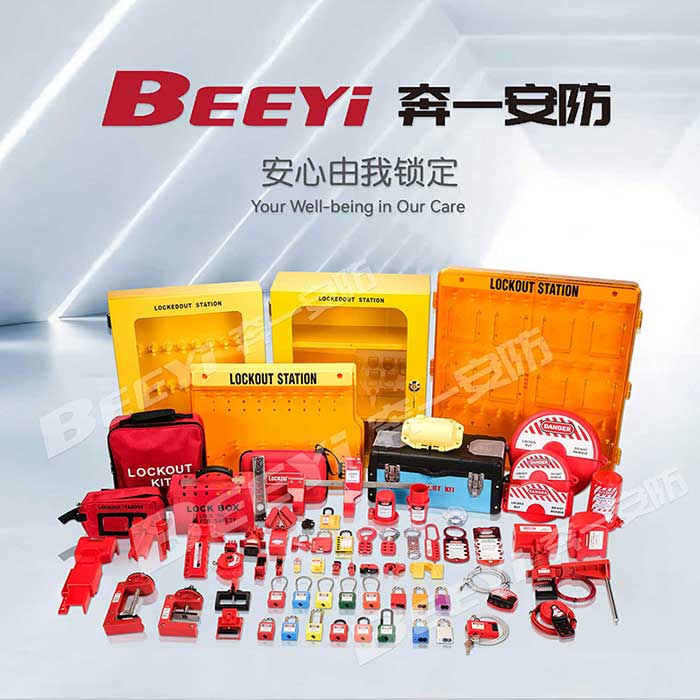
The Purpose of Equipment Lockout Tags The primary purpose of lockout tags is to prevent the unexpected release of hazardous energy during maintenance, repair, or service operations. Hazardous energy can come in many forms: electrical, mechanical, hydraulic, pneumatic, or thermal. In the wrong conditions, energy sources left unattended can result in catastrophic consequences, including electrocution, burns, or even fatal accidents. The lockout tag system is an essential safeguard that prevents such incidents by physically isolating energy sources and signaling to workers that equipment should not be operated.