In industrial and manufacturing environments, safety is paramount. One of the essential safety practices employed is the Lockout/Tagout (LOTO) procedure, which is designed to ensure that machines are properly shut off and unable to be started up again until maintenance or servicing is completed. A critical element of this procedure is the use of Lockout Tagout padlocks, which serve as a visual and physical barrier against the accidental energization of machinery. This article delves into the significance, application, specifications, and benefits of Lockout Tagout padlocks in promoting workplace safety.
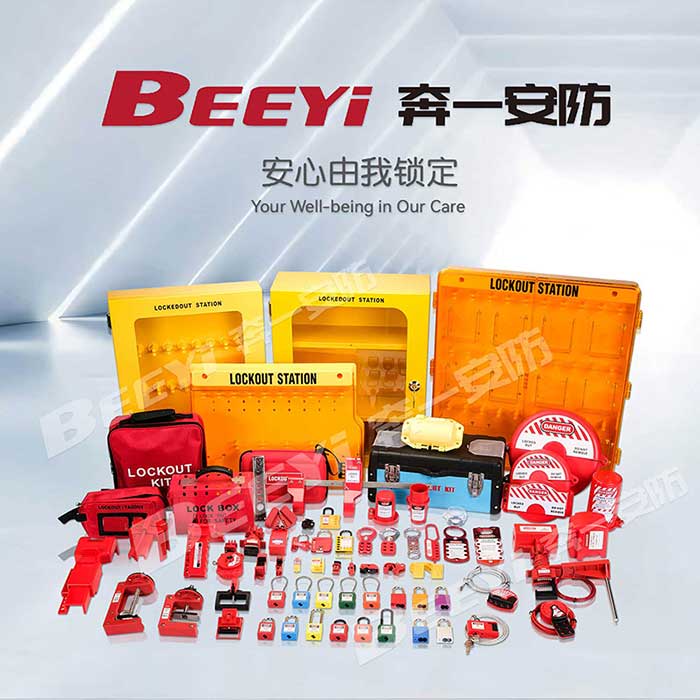
What are Lockout Tagout Padlocks? Lockout Tagout padlocks are specialized locks used during the LOTO procedure to secure energy-isolating devices. These padlocks are easily identifiable and are designed to prevent unauthorized access to machinery that is undergoing maintenance. By employing these locks, employers make certain that employees are protected from accidental machine activation while maintenance work is being performed. The Importance of Lockout Tagout Padlocks Lockout Tagout padlocks play a vital role in workplace safety. According to OSHA, thousands of injuries and fatalities occur each year due to the improper maintenance of machinery. LOTO procedures, complemented by specific padlocks, reduce the likelihood of such incidents dramatically. By preventing accidental startups, these padlocks provide not just a physical barrier but also create an environment of awareness among all personnel involved in machine operation and maintenance.