Understanding Relay Isolation: The Key to Safe and Reliable Electrical Systems
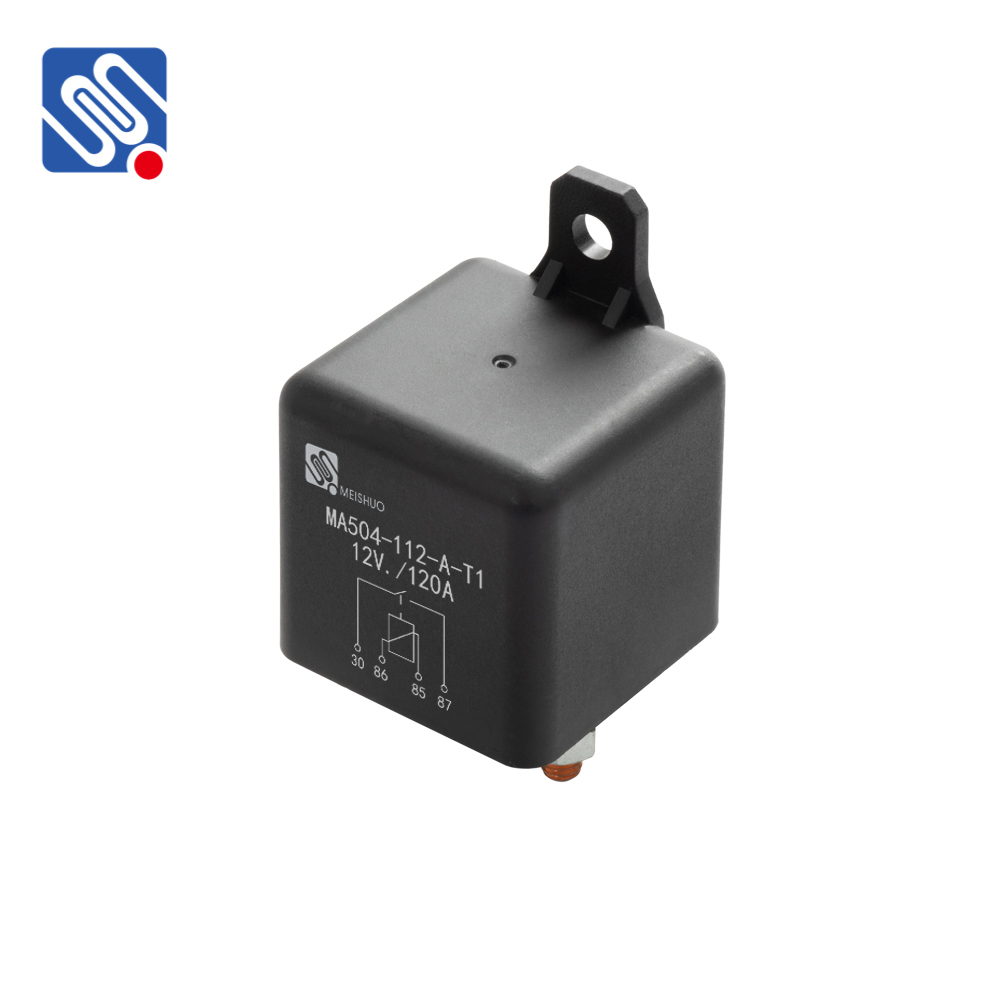
In modern electronic and electrical systems, ensuring safe and reliable operation is paramount. One key component that plays a crucial role in achieving this goal is relay isolation. Relay isolation is the technique of using relays to provide electrical isolation between different circuits or components. This article will explore the importance of relay isolation, its working principle, applications, advantages, and considerations. What is Relay Isolation? Relay isolation refers to the process of using a relay to separate two circuits electrically while allowing control of one circuit through the activation of another. A relay, typically a mechanical switch, works by using an electromagnet to operate a set of contacts. When a current flows through the coil (the control side), the electromagnetic field it creates pulls the relay contacts together or separates them, opening or closing the circuit on the output side.