The 24V 30A relay is a crucial component in various electrical systems, often used to control high-power devices while being controlled by a low-voltage signal. The term “relay” refers to an electrically operated switch that uses an electromagnet to operate a set of contacts. In this article, we will explore the fundamental aspects of the 24V 30A relay, its applications, and how to select the right relay for your needs.
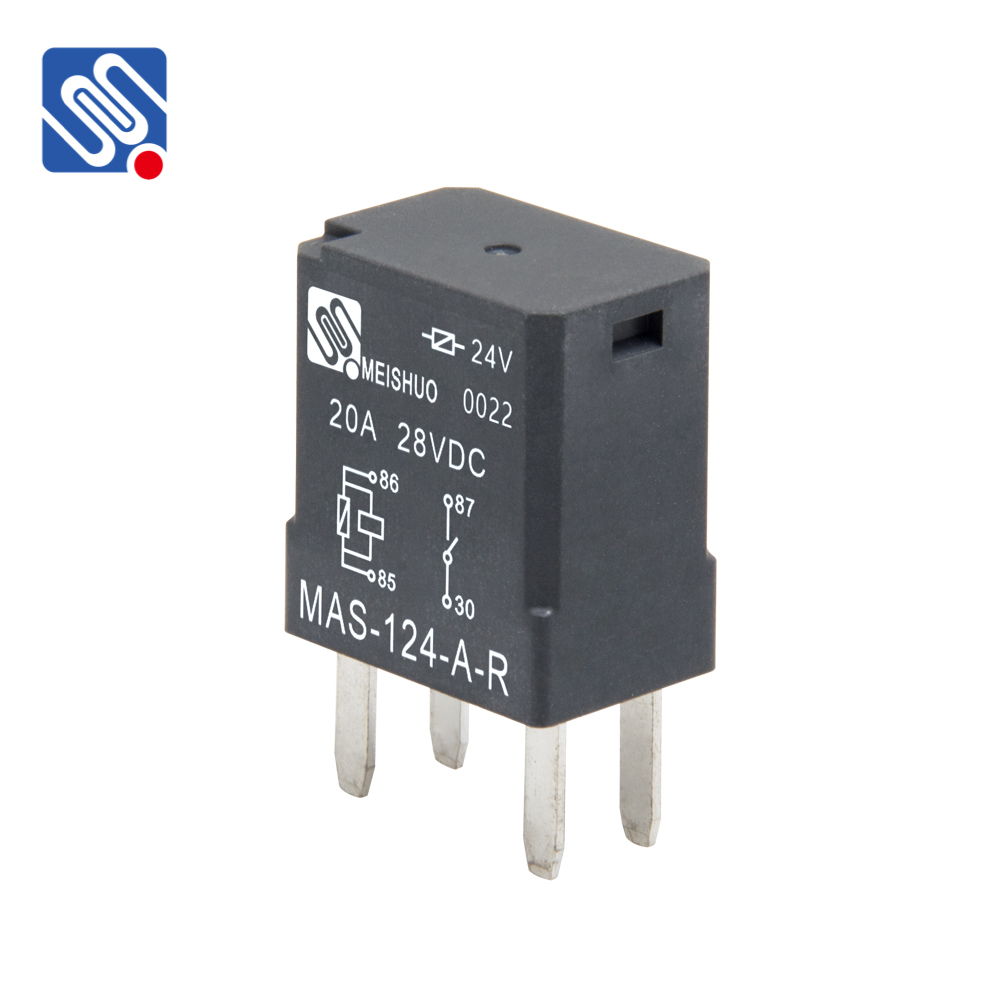
What is a 24V 30A Relay? A 24V 30A relay is a type of relay that operates with a 24-volt DC control voltage and is capable of handling up to 30 amperes of current on its output contacts. Relays are typically used for switching high-power loads with a low-power control signal, making them indispensable in automation, control systems, automotive electronics, and other industrial applications. The basic design of a 24V 30A relay includes an electromagnet coil (the control side) and a set of contacts (the switching side). When current flows through the coil, it creates a magnetic field that pulls or pushes the contacts together or apart. This action either completes or breaks a circuit, thus allowing the relay to control a device that draws much more power than the relay’s control side.