General-purpose relays (GPR) are fundamental components in electrical and electronic systems, serving a crucial role in controlling circuits. These electromechanical devices are designed to switch electrical loads on and off, thereby enabling automation and control in various applications. From household appliances to industrial machinery, GPRs are indispensable in ensuring efficient operation, safety, and management of power.
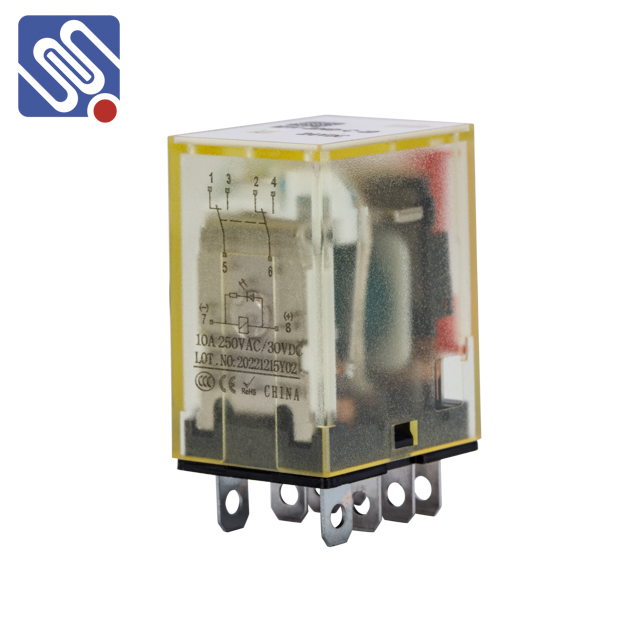
What is a General-purpose Relay? A general-purpose relay is typically composed of several key components: a coil, an armature, a spring, and contact points, which include normally open (NO) and normally closed (NC) contacts. The relay operates on electromagnetic principles; when an electric current flows through the coil, it generates a magnetic field that attracts the armature. This action either opens or closes the contacts, thereby controlling the flow of electricity in the connected circuit. Operating Principle The operation of a GPR can be understood in a few simple steps. When a voltage is applied to the relay’s coil, it energizes the relay, causing the armature to move due to magnetic attraction. If the armature moves to close the contacts, the circuit completes, allowing current to flow. Conversely, if the armature is positioned to open the contacts, the circuit breaks, stopping the current flow. The mechanism’s switching ability is not only crucial for controlling current but also for protecting circuits from overloads.